The olfactory journey of wine tasting: learn to broaden your horizons
To immerse your nose in a glass of wine is to enter a sensory universe of infinite richness. It's not simply a matter of guessing "red fruits" or "woody notes," but of letting the wine's aromas tell the story of a grape variety, a terroir, and a winemaking expertise. From the lemony freshness of a Sauvignon Blanc to the spicy notes of a Syrah, and the floral nuances of a Riesling, wine offers a fascinating playground for our sense of smell.
Yet, unlike sight or taste, we rarely use our nose consciously and systematically in our daily lives. In reality, olfactory culture isn't something that can be improvised: it's cultivated, trained, and refined. Educating your nose means learning to identify, memorize, and compare aromas, but also to move beyond vague impressions to achieve a true sensory understanding… especially of wine.
Below, we invite you on a journey to the heart of aromas: understanding how our olfactory memory works, discovering simple methods to develop your aromatic palette, and transforming each wine tasting into a more precise, richer… and infinitely more exciting experience. Because a discerning wine lover doesn't just drink wine: they explore and breathe it in.
What is olfactory memory?
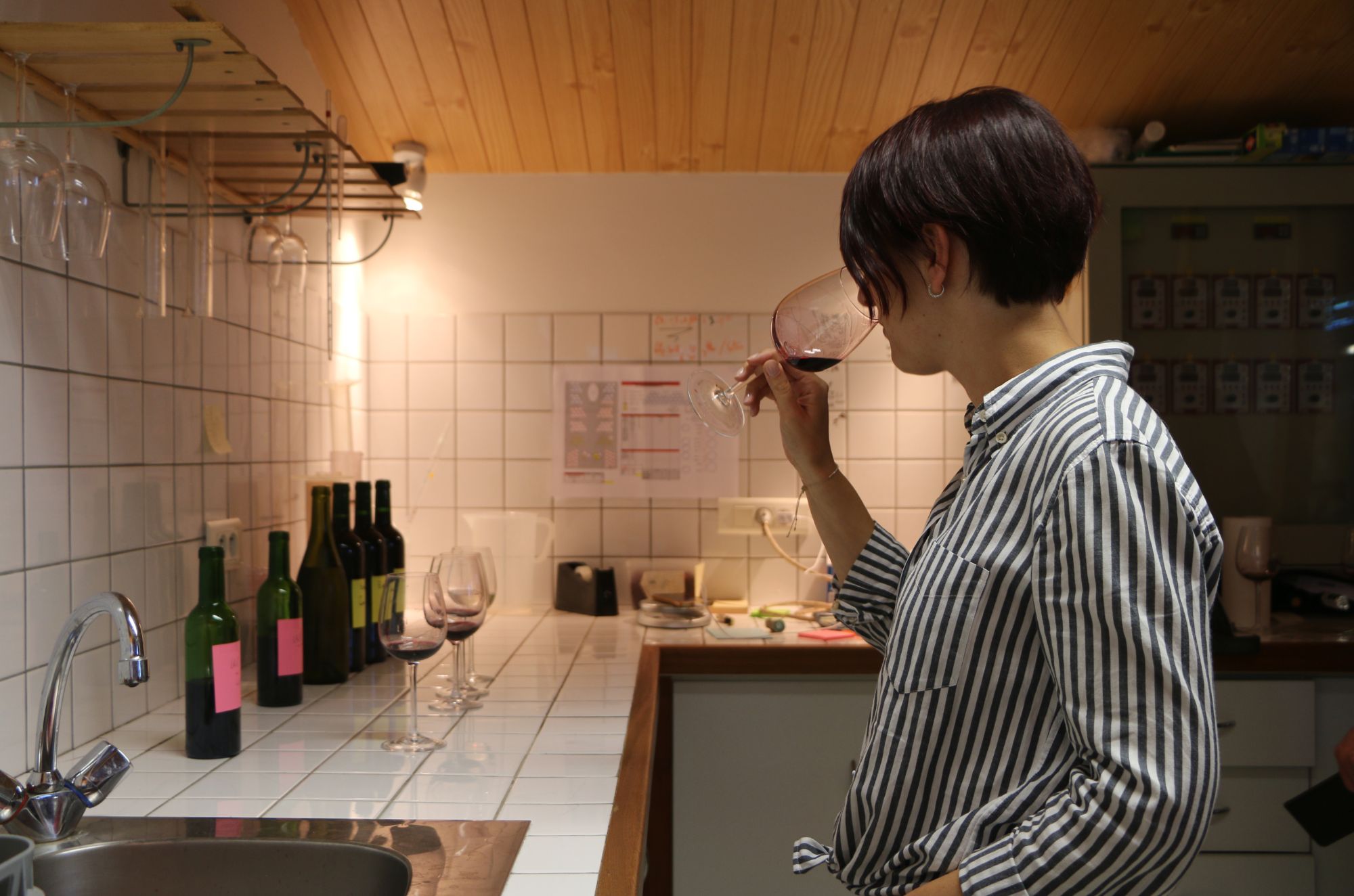
Contrary to popular belief, smell accounts for approximately 70-80% of the wine tasting experience, surpassing taste. Given this, it's undeniable that olfactory memory plays a central role: it allows us to recognize and identify aromas by drawing on sensory memories associated with familiar scents. During tasting, it facilitates retronasal olfaction, where aromas are released up the back of the throat after tasting the wine, amplifying the overall perception.
Olfactory memory also helps us distinguish between primary aromas (from the grape variety), secondary aromas (from the winemaking process), and tertiary aromas (from the aging process). The neurological function of olfactory memory relies on the olfactory cortex, which associates odors with personal experiences and therefore with emotions. This makes olfactory memories particularly intense and subjective. This explains why certain wine aromas evoke specific images, such as fruits or childhood memories, facilitating the analysis of aromas. Consider, for example, the cultural icon of Proust's madeleine, or how a simple little cake awakened a sensory memory in Proust that triggered a buried emotion.
A daily learning experience
Every day of life offers its share of opportunities and experiences. Therefore, training the sense of smell for any wine lover should be a daily practice: actively inhale the scents of everyday life and name them, whether they be fruits, grains, vegetables, or spices. At the market for fruits and spices, in the forest for woody or earthy notes, at the bakery for bread and pastries, every place can become an opportunity. You can also try the "jam method": heat fruit to memorize its aromas. Of course, avoid any unwanted odors and stay hydrated to preserve your palate. Adopt a mindful approach as you move and walk daily to identify scents (flowers, herbs) and create new memories.
Savor fruits, jams, or spices by retronasal olfaction to memorize their fruity or vegetal aromas. Generally speaking, always taste: smell for 5-10 seconds, describe it, then taste to link smell and taste. The goal is to enrich your olfactory memory with regular exercises in association, verbalization, and repetition to anchor the scents in the brain.
Another practice to adopt is olfactory meditation. This involves slowly inhaling 5-10 different scents (fruits, flowers, spices) per day and analyzing how they evolve. Make blind comparisons between similar scents to refine your ability to distinguish between them. By adopting these habits and exercises, you will become increasingly faster at identifying odors and aromas each day.
Trade shows and fairs: perfect playgrounds
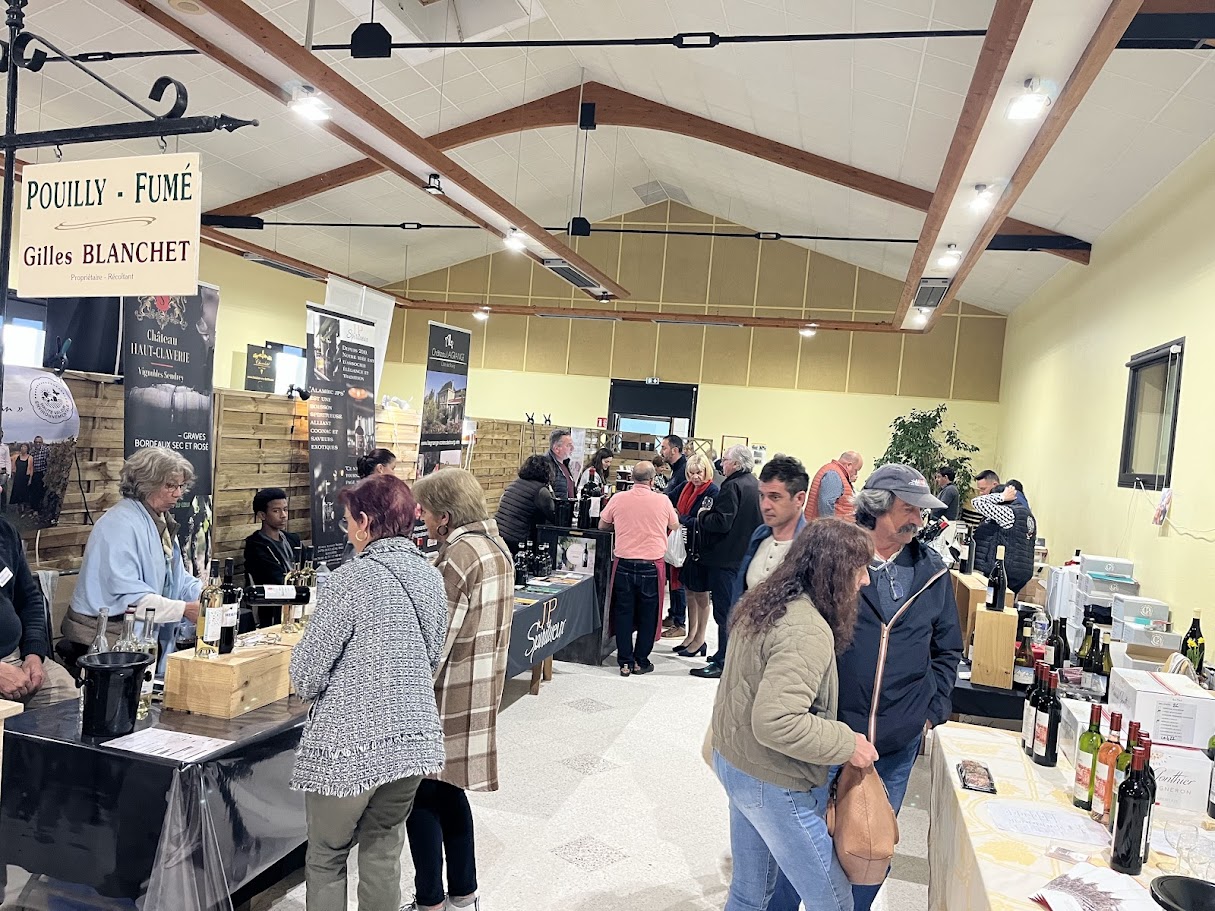
The events calendar in France's regions is brimming with wine and food fairs and exhibitions, offering unique opportunities to train your sense of smell through free tastings, interactive workshops, and olfactory games. These events provide a diverse range of aromas all in one place, promoting memorization through repetition and comparison.
These wine-themed events are designed to introduce enthusiasts to hundreds of wines (PDO, organic, sparkling) offered for free tasting, encouraging the recognition of diverse aromas without restrictions. Free introductory sessions are included. Don't hesitate any longer and participate in games like the Wine Olympics or the "Scent Game" to identify grape varieties and aromas blindfolded, stimulating olfactory memory.
Enjoy structured workshops: olfactory tests, aroma classification, and how aromas evolve in a glass, often with experts on hand to guide and inform visitors' experiences. These events also offer unique opportunities for enthusiasts like you, combining sensory discoveries with smart shopping.
Essential tools
There are some essential tools to train your sense of smell and thus refine your olfactory memory in order to better appreciate the nuances of wines.
An indispensable ally: the wine aroma wheel
©Wikimedia Commons
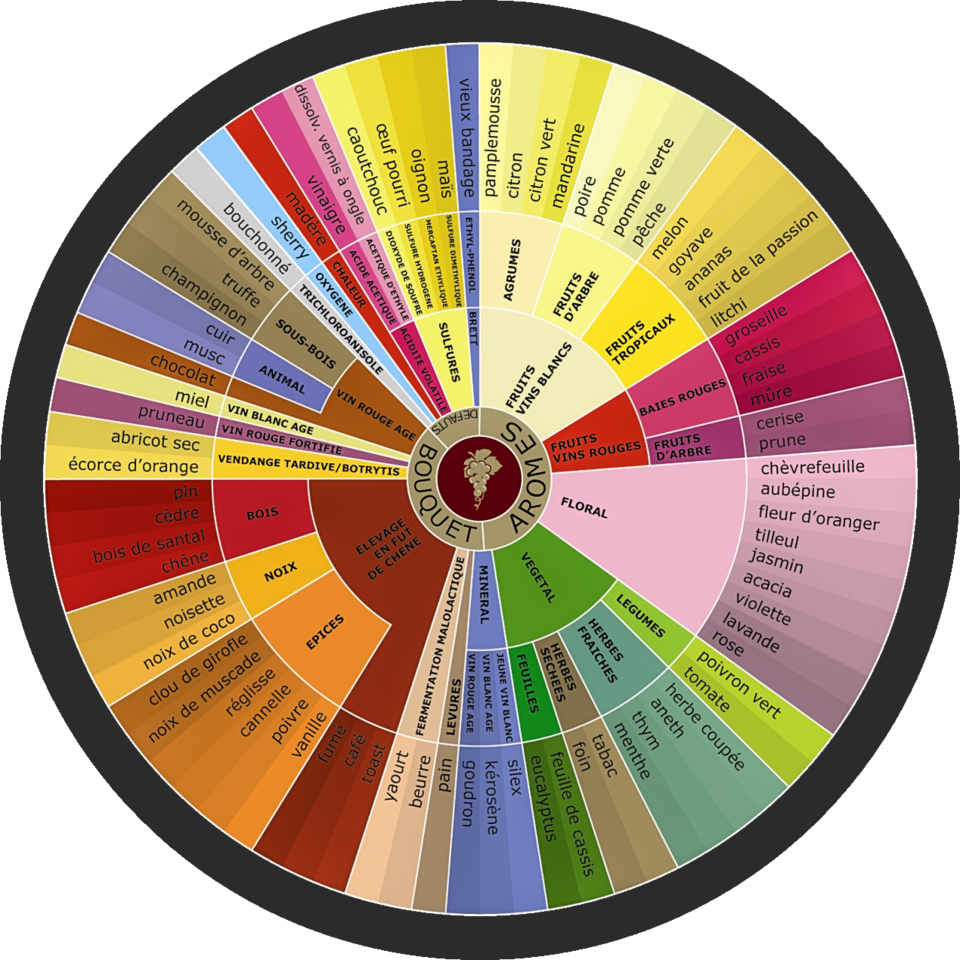
The wine aroma wheel is a circular visual tool that classifies typical wine aromas into families and subfamilies to facilitate their identification during tastings. It helps structure olfactory perception, classify and memorize aromas by family, ultimately enriching sensory memory by progressing from the general (fruits) to the specific (blackcurrant). This is why the wine aroma wheel is an essential tool for beginners in wine tasting. It divides aromas into broad categories: fruits (red/black, citrus, tropical), flowers, herbs, spices, animals, balsamic, woody, and rock/mineral.
Each family branches into specific subcategories: for example, red fruits include strawberry, raspberry, and cherry; spices include pepper, vanilla, and clove.
Primary (grape variety), secondary (winemaking), and tertiary (aging) aromas are often used to identify origins and ages.
You can view it online, download free PDF versions or buy laminated wheels with booklets for specific grape varieties such as Chardonnay (peach, brioche) or Syrah (pepper, leather).
A box of aromas
There are also kits or sets available to support your learning. For example, you could choose the "Le Nez du Vin" kit (54 aromas: fruits, spices, wood) or Tasterplace (24 for white wines, for example: honey, sage). Smell them blind every day to memorize and name them. Several benefits will result:
- Improved olfactory perception: by discovering a variety of aromas, you train your nose to recognize and differentiate subtle nuances between different smells.
- Increased sensitivity: regular exposure to various scents helps to strengthen olfactory sensitivity, making your sense of smell more reactive and accurate.
- Sensory education: It helps to better understand the composition of smells, by identifying top, middle and base notes, particularly in the context of tasting wines, spirits or gastronomy.
- Developing olfactory memory: by memorizing different aromas, you enrich your "bank" of smells, which makes it easier to recognize and appreciate new scents.
- Enhanced appreciation of flavors: a keen sense of smell improves the perception of tastes, as smell contributes greatly to the taste experience.
- Fun and educational activity: using an aroma kit can be a pleasant and enriching activity to share for those who wish to deepen their sensory knowledge.
Thus, an aroma kit is an excellent way to train, refine and enrich your sense of smell, for a better appreciation of smells and flavors on a daily basis.
Glasses and accessories
To further enhance your palate development, you can acquire certain accessories specifically designed for the olfactory experience of wine tasting. For example, choose the Atelier du Vin Wine Explorer to oxygenate and release the aromas (first/second nose) of the wine. These glasses feature an inner rib enameled with micro-beads that acts as a catalyst. It was designed to intensify and release the wine's aromas during tasting. Indeed, when the wine swirls in the glass due to your wrist, the rib breaks the aromatic molecules against its wall, releasing the main aromas more powerfully and revealing subtle or complex notes. This significantly amplifies the "second nose" compared to a traditional glass. Thus, it is designed to optimize the olfactory expression of wines.
Another useful accessory can be the corkscrew: a good corkscrew also prevents olfactory alterations.
In short
Developing your sense of smell is an accessible and enriching process that not only improves your wine tasting but also allows you to fully appreciate the richness of its aromas. By practicing regularly, paying attention to your sensations, and learning about different olfactory nuances, everyone can sharpen their nose and transform each tasting into a more intense and satisfying sensory experience. So, don't hesitate to explore, smell with curiosity, and let your sense of smell flourish to savor wine with even more pleasure. And as with any learning process, consistency is key. The more regular your exercises and habits become, the better your sense of smell will develop!