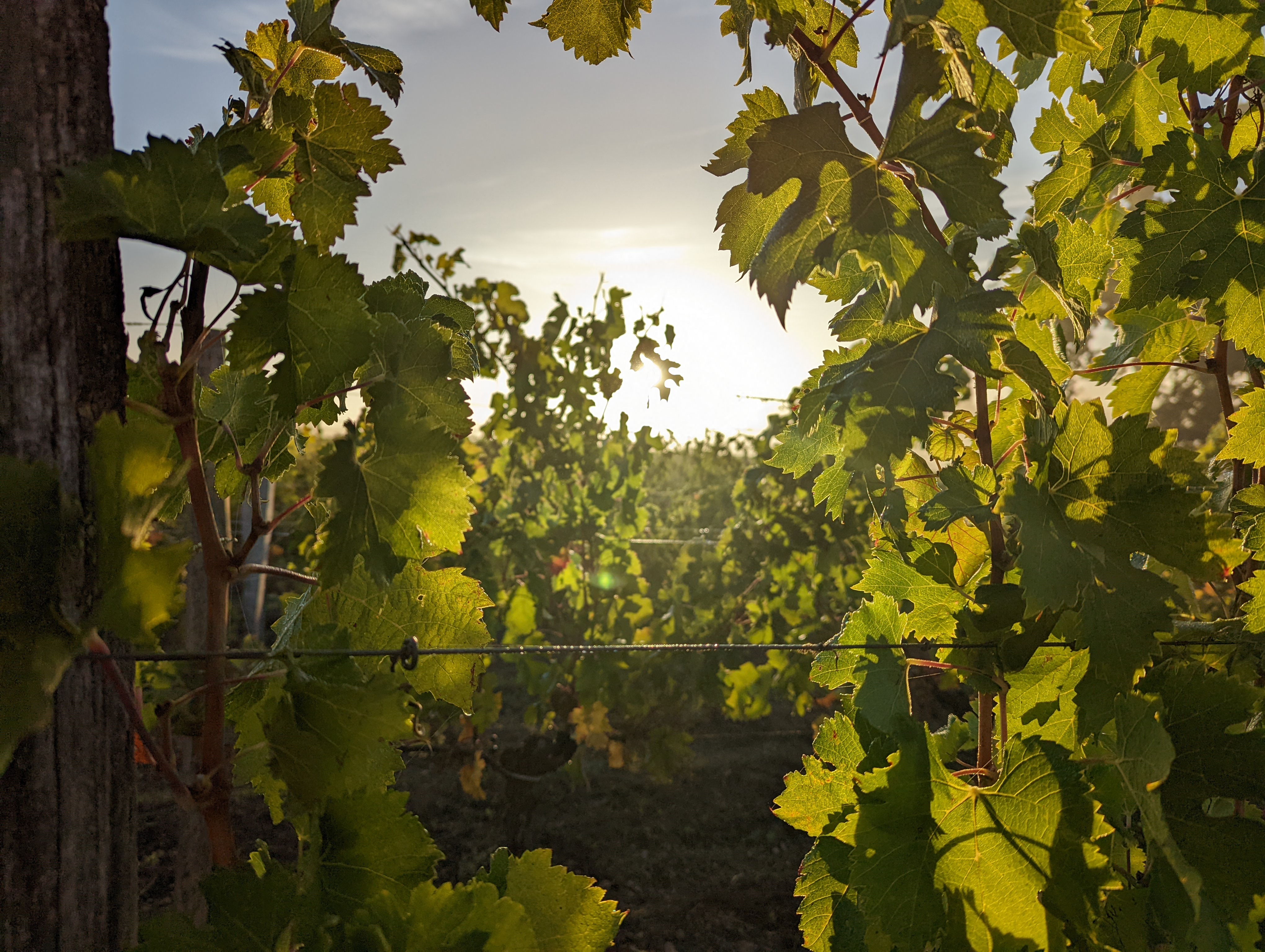
Viticultural soils: understanding their role in the expression of terroir
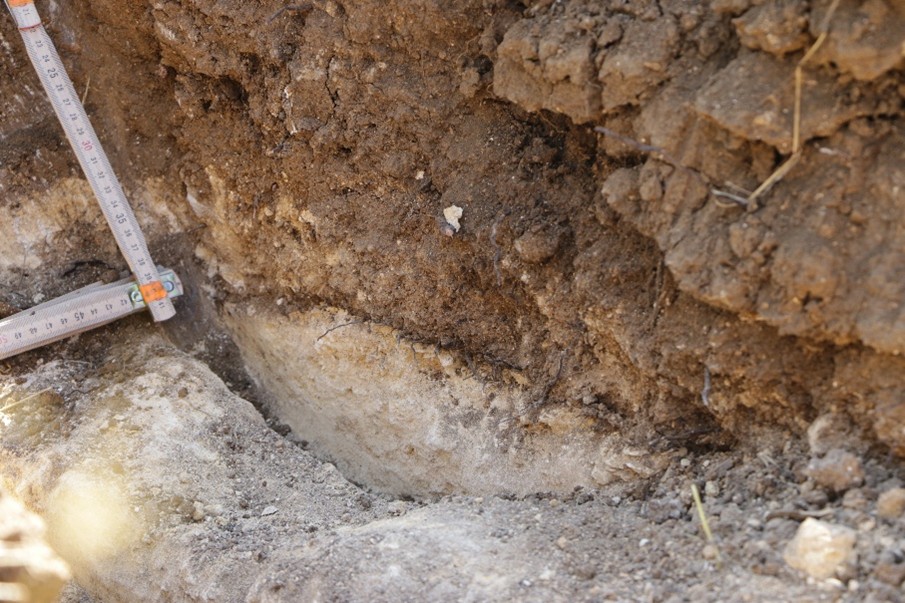
Like any wine enthusiast, your interest likely extends beyond the nectar in your glass. Even before tasting a wine, you appreciate discovering the vineyard’s history and *terroir*, gaining valuable context for the tasting experience. After all, understanding a wine’s origins sometimes requires looking at the surroundings and the very ground beneath the vines. Clay, limestone, sand, gravel, and schist all shape a vineyard’s identity by influencing the vines—affecting their growth, water supply, and the pace at which the grapes ripen. Soil is thus fundamental to viticulture, ultimately shaping the wine's personality. To better understand the connection between the land and the wine, let us explore the various soil types found in vineyards and the role they play in vine cultivation.

Soil in Viticulture: The Foundation of a Wine Terroir
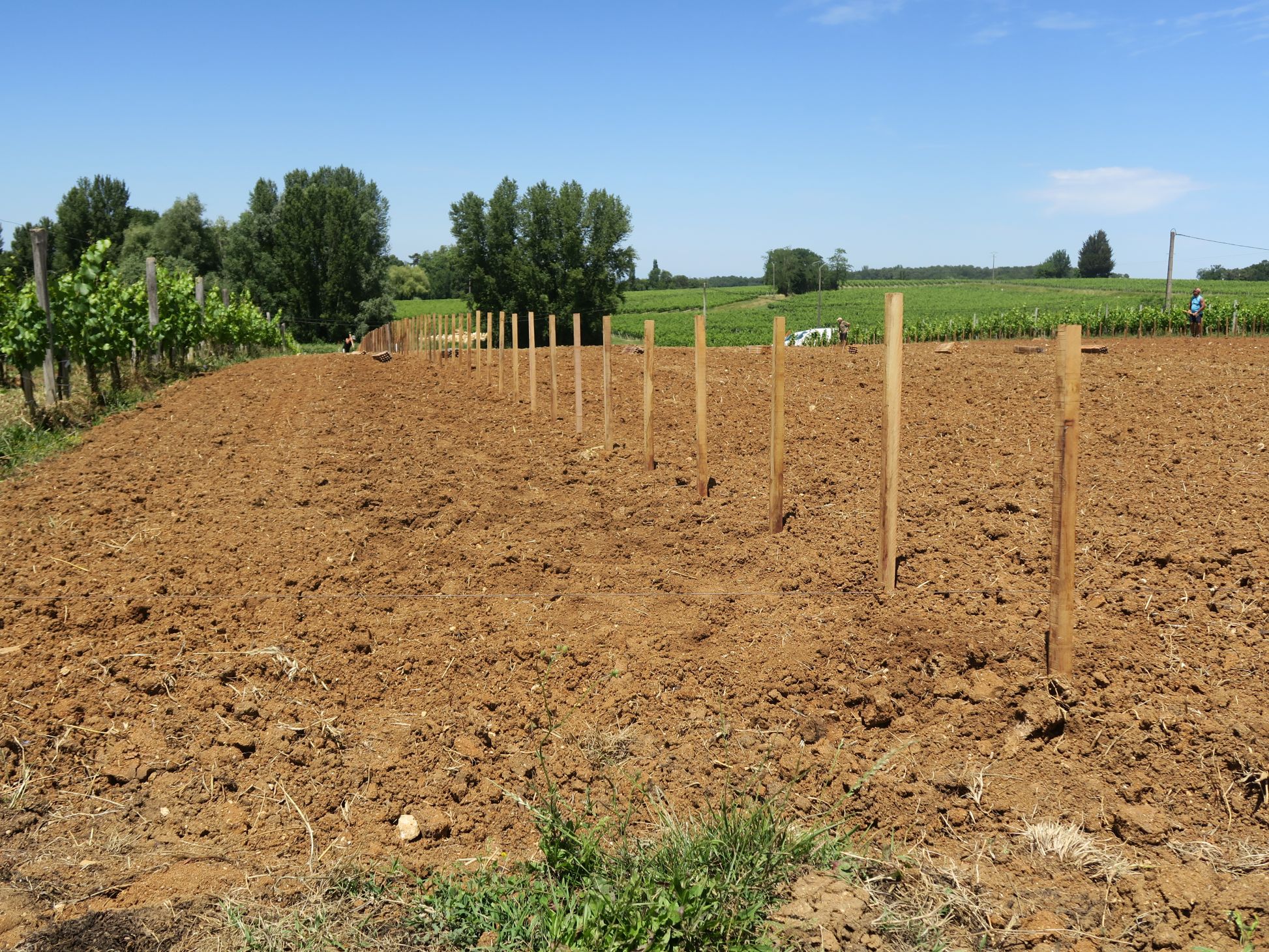
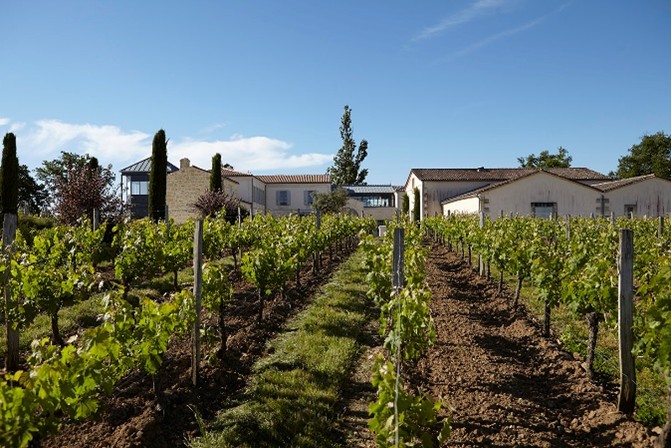
Vineyard soil is a key component of terroir, yet it never acts in isolation; *terroir* is defined precisely by the interplay between soil, climate, topography, grape variety, rootstock, and viticultural practices.
Soil influences wine through the water, heat, and nutrients it supplies to the vine. For instance, vines absorb potassium, calcium, and magnesium as ions dissolved in soil water. Grapes grown on potassium-rich clay soils yield juice with a higher pH, which reduces the effectiveness of sulfur dioxide; consequently, winemakers adjust their handling—specifically by minimizing oxygen exposure through filling tanks and barrels to capacity and using gentle pumps and tightly sealed valves during transfers.
Grapes from cool, calcareous soils retain higher acidity, a factor that influences decisions regarding malolactic fermentation and the duration of aging on the lees. Conversely, grapes from poor, stony soils may lack the nitrogen required by yeast, potentially leading to sluggish fermentation and the formation of hydrogen sulfide. The latter can cause a major wine fault: it masks fruity aromas and produces a "rotten egg" odor.
Thus, soil shapes vine growth and grape ripening over the course of the season. However, make no mistake: grapes do not take on the flavor of the minerals present in the soil.
Soil typicity: characteristics
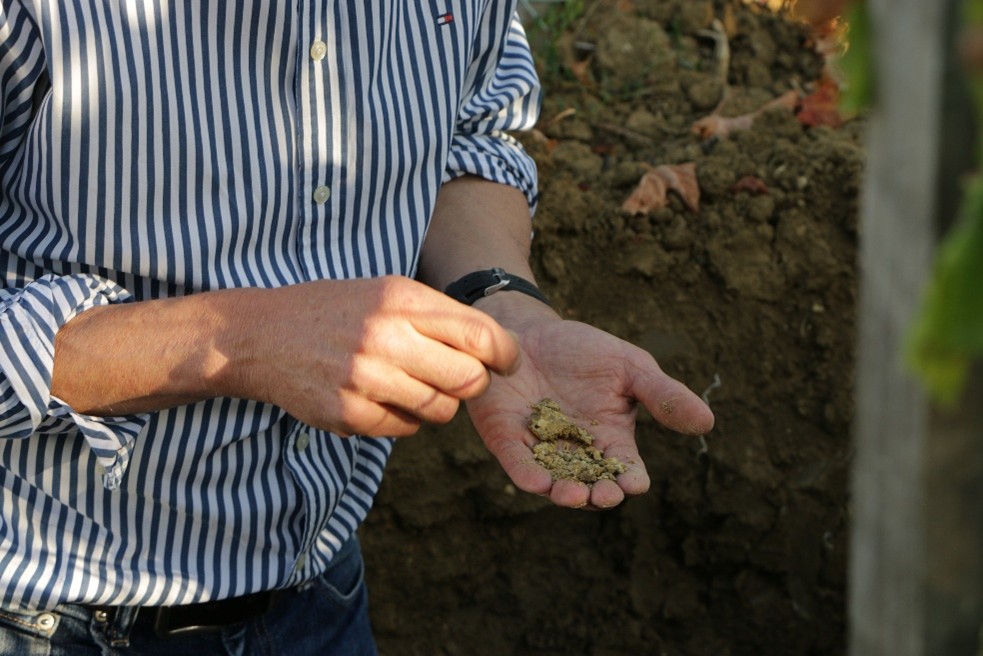
The Saint-Émilion vineyards where our wines originate are situated on a mosaic of soils and subsoils, a factor that explains the diverse personalities of Saint-Émilion wines based on their specific terroir. More broadly, one need only travel through France’s wine regions to glimpse the wide variety of soil characteristics that give rise to such a diverse range of wines.
Sandy soils
Sandy soils are lightweight, free-draining, and warm up easily, facilitating vine root development. Indeed, they almost invariably lead to early grape ripening. Under the sun's rays, the sand heats up quickly and radiates heat beneath the surface; consequently, the vines can be susceptible to drought.
Clay soils
Clay consists of the finest soil particles, packed tightly together. It retains water and nutrients, which stimulates vine growth and increases yields. Many clays are rich in potassium, which raises the juice's pH and lowers its acidity. On Bordeaux's Right Bank, Merlot is grown on clay-limestone soils.
Calcareous soils
Limestone and chalk soils are light-colored and cool. They slow down heat accumulation, which helps the grapes retain their acidity. It is on this type of soil that Chablis and Champagne wines are produced.
Gravelly soils
Gravel consists of stones and rounded pebbles deposited by watercourses. It ensures good drainage, and the stones store heat. In the Médoc, Cabernet Sauvignon is grown on gravel terraces along the Garonne. Châteauneuf-du-Pape features large, rounded pebbles.
Slate and schist
Slate and schist are stratified rocks that split into flat slabs. They give rise to dark, shallow soils that store heat and slow down vine growth. The steep slopes of the Mosel are composed of Devonian slate and planted with Riesling, a grape variety that produces light, high-acid wines. The "llicorella" soil of Priorat (Spain) consists of fragmented slate mixed with quartz, where Grenache and Carignan are grown. The soil of the Douro, meanwhile, is composed of schist.
Granite
Granite is a hard rock that, through weathering, yields a coarse-grained, acidic sand.
Across the ten Beaujolais crus—from Fleurie to Moulin-à-Vent—Gamay is grown on decomposed granite soils with a thin layer of topsoil. Originating from these terroirs, the wine often displays floral notes and fine tannins. Granite is also found in certain areas of the northern Rhône Valley.
Volcanic soils
Volcanic soils originate from basalt, lava, pumice, tuff, and ash. They are porous and rich in minerals.
On Mount Etna, Nerello Mascalese and Carricante are grown on basaltic sands and lava flows of varying ages. In Santorini, Assyrtiko grows on pumice, tuff, and ash, benefiting from extreme drainage. Another example is the Soave region, where basalt exists alongside limestone; the Canary Islands also utilize volcanic soils.
There is no doubt that soil properties influence vine vigor, primarily by altering root access to water, oxygen, and minerals. Consequently, they affect the development of the root system and, subsequently, the functioning of the leaves, shoots, and grape clusters.
Choosing the grape variety: a decisive factor for the soil
Selecting a grape variety based on the soil is a key aspect of viticulture, as a variety’s potential expression varies according to the hydrological, physical, and chemical conditions of the vineyard plot. Consequently, soil is frequently viewed as a primary factor in the choice of grape variety. In reality, however, one must consider the interplay of the grape variety, rootstock, and soil, alongside climate and viticultural practices. Therefore, the winemaker’s choice of plant material generally aims to align the variety’s requirements with the specific characteristics of the plot.
©Canva
pH
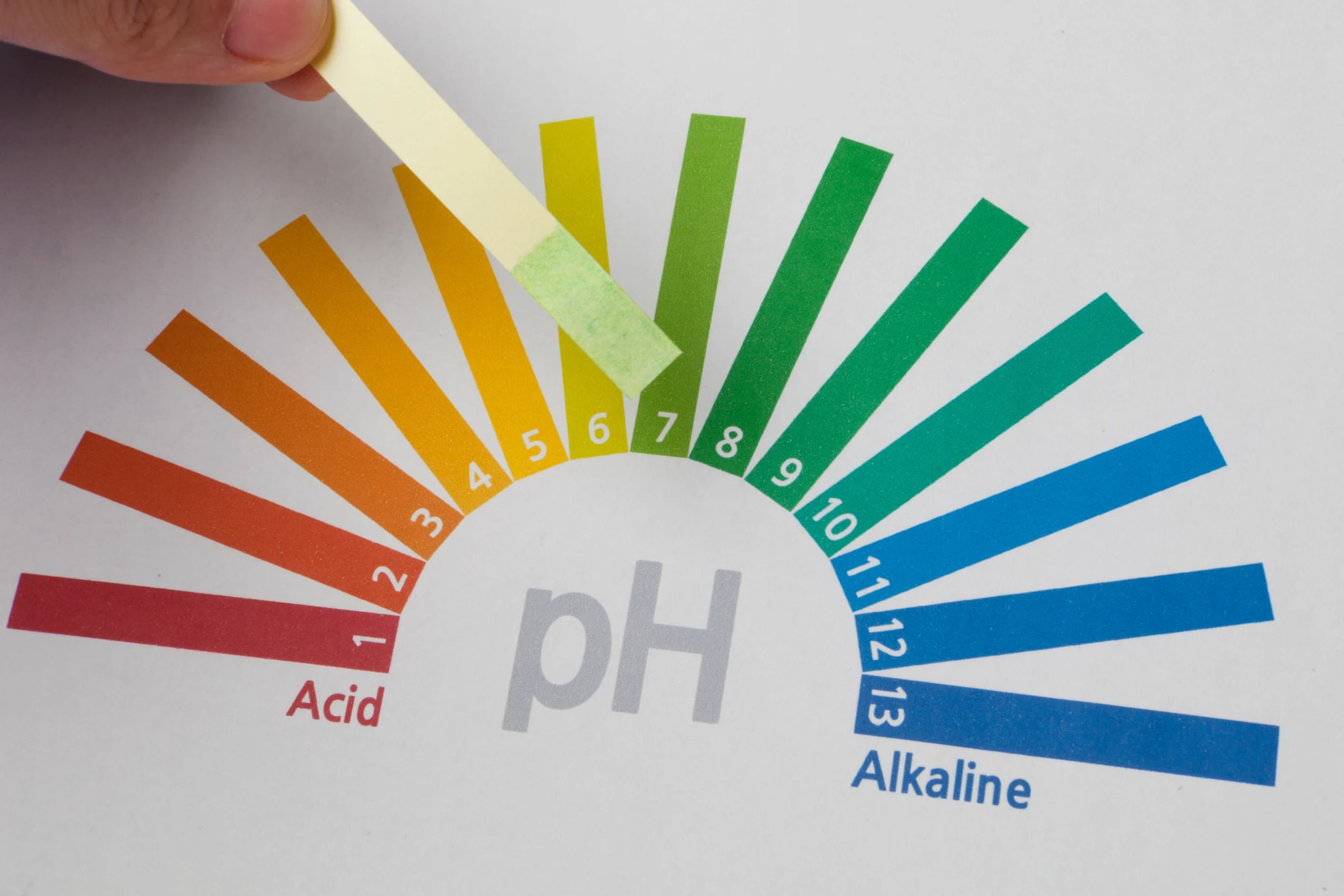
Most vineyard soils require a pH of approximately 6 to 7.5 to ensure good availability of various nutrients, though this varies depending on the grape variety and soil type. Soil pH determines which nutrients the vine can absorb. Iron is particularly important: in calcareous, alkaline soils, it may be abundant yet difficult for the vine to assimilate. This can lead to iron chlorosis, characterized by the yellowing of young leaves. Potassium-rich soils raise the pH of the must, which affects the wine's freshness, color stability, and the effectiveness of sulfur dioxide.
Unsuitable pH levels can have adverse effects on the vine, such as insufficient or excessive vegetative growth, chlorotic leaves (discolored due to a lack of chlorophyll) and reduced photosynthesis, poor nutrient uptake, variations in vigor and yield, or difficulties with ripening when the plant is under severe stress.
Conversely, a soil with a pH well-suited to the specific rootstock-soil combination can promote balanced vine function, leading to steady, uniform berry ripening.
It should be noted, however, that acidic soil does not necessarily produce acidic wine, nor does calcareous soil necessarily yield low-acid wine. Grape acidity depends on factors such as the grape variety, climate, temperature, ripeness, water availability, and vineyard management practices.
In short
In viticulture, the soil constitutes a dynamic physical, chemical, and biological system where the vine develops its root system; this system influences the vine's functioning and development through interactions with the climate, topography, the specific grape variety, the rootstock, and viticultural practices (such as organic farming, as practiced at Château La Rose Perrière). Through its physical, chemical, and biological properties, vineyard soil thus contributes to vine growth—serving as more than just a simple reservoir of nutrients—as well as to grape ripening and, indirectly, to the composition of the wines. It is therefore inseparable from the final product—the wine—yet it does not solely account for the wine's characteristics.
Ultimately, the soil offers potential, but the winemaker constantly intervenes and makes choices that will shape the wine’s identity. Among these many choices:
- rootstock selection;
- planting density;
- soil cultivation methods;
- grassing;
- fertilization;
- water management;
- vine pruning;
- cover crop management;
- harvest date;
- vinification and aging.
Understanding the role of soil in viticulture is therefore less about seeking a direct imprint of the bedrock in the wine than about grasping that soil never functions in isolation, and understanding how the characteristics of a specific plot gradually shape the vine's functioning and the grape's ripening trajectory, year after year.