10 common misconceptions about wine
Misconceptions about wine die hard. Whether it's believing that an expensive bottle is necessarily better, that a great wine must always be old, or that a screw cap is synonymous with low quality, these beliefs often—and wrongly—influence consumer choices. Yet, wine is a far more nuanced product, where pleasure is measured neither by price, nor the weight of the bottle, nor the prestige of the label. In this article, we'll review 10 common misconceptions about wine to understand where they come from, why they persist, and how they can sometimes lead us astray from our own taste. The goal: to offer you simple and concrete guidelines to choose more freely and taste with more curiosity than prejudice.
All wines improve with age
This statement only applies to the 5% most prestigious wines. In fact, only about 1 to 5% of wines have the structure necessary to benefit from long aging in the cellar, often lasting 10 years or more. The rest of the wines produced are intended to be consumed young, as they will not gain complexity with time.
What are the consequences of aging wines that don't have real aging potential? Wines lacking tannins, acidity, or sugar generally lose their fruitiness, oxidize, and after a few more years, their taste becomes bland rather than complex. Many everyday white, rosé, and red wines actually provide more enjoyment when consumed young, when their fruitiness and freshness are at their peak.
If the wine is inexpensive, fruity, and doesn't mention "cellar wine" or specific vintages, consider that it will be best enjoyed within 2 to 5 years of the harvest. As for wines meant for aging, consult the winemaker's recommendations or a chart of optimal drinking windows; even the most age-worthy table wines are rarely recommended beyond about 20 years, with the exception of certain sweet and fortified wines.
When you are offered a wine tasting at a restaurant, it's to see if you like it
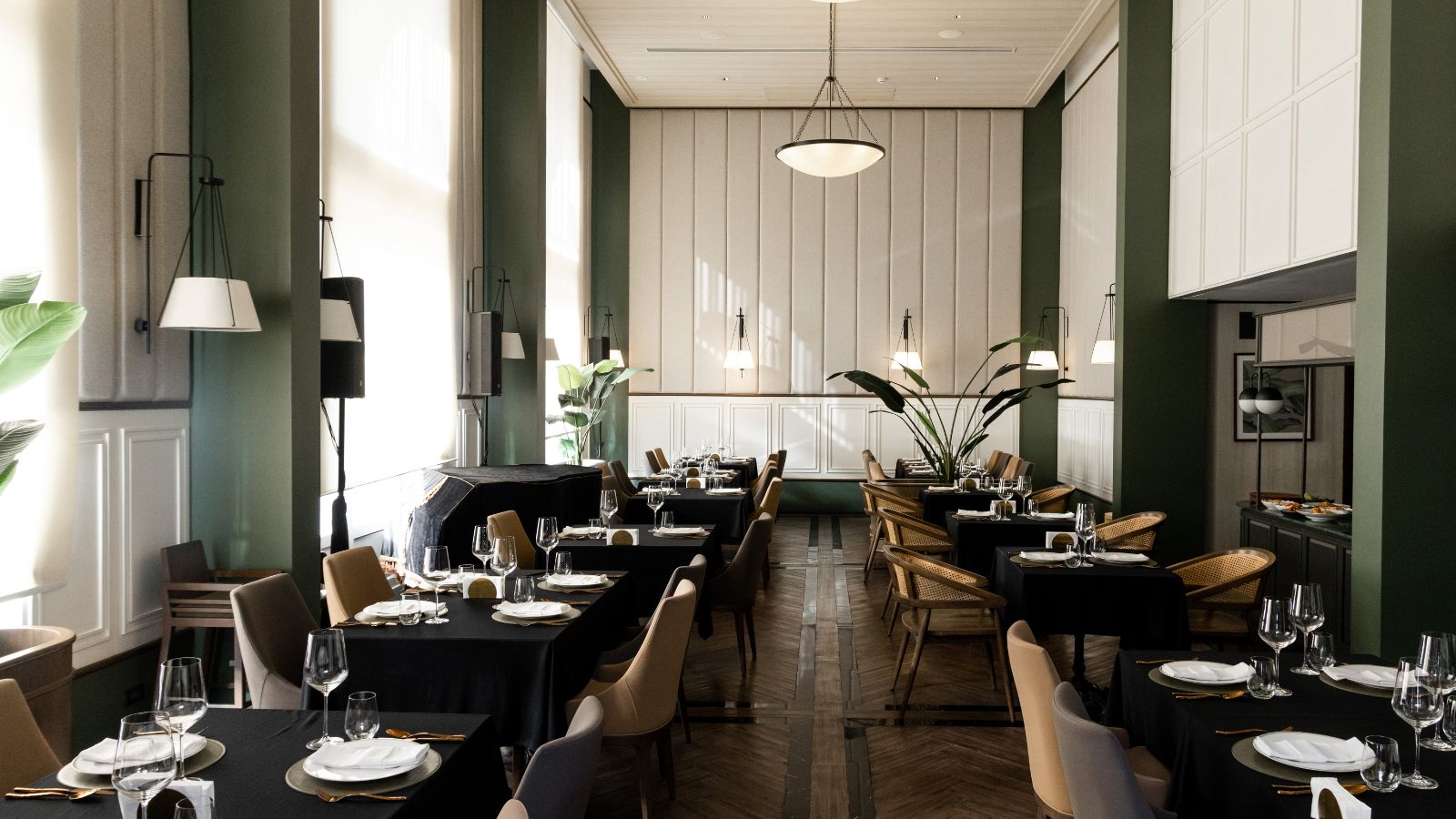
When dining at a restaurant, it is customary to order a bottle of wine for the entire table. Before opening the bottle, the waiters or sommeliers present the label to confirm that it is indeed the vintage, winegrower, and appellation you have chosen, thus avoiding any errors on the bill. This ritual, rooted in the traditions of fine dining, is now practiced at all price points. The sommelier or waiter opens the bottle away from the table (often at a dedicated counter), pours a small amount of wine, usually into the glass of the host, the person who ordered the wine, or, if there is no sommelier present, the most knowledgeable guest.
This tasting is strictly intended to identify any defects the wine may have, such as cork taint or oxidation, and not to assess quality or to cater to personal preference.
In the unlikely event of a faulty wine (this is rare, affecting less than 5% of bottles), you have the right to politely refuse the bottle and request a replacement. The restaurant anticipates this and will cover the cost of the replacement.
Only inexpensive wines are sealed with a screw cap
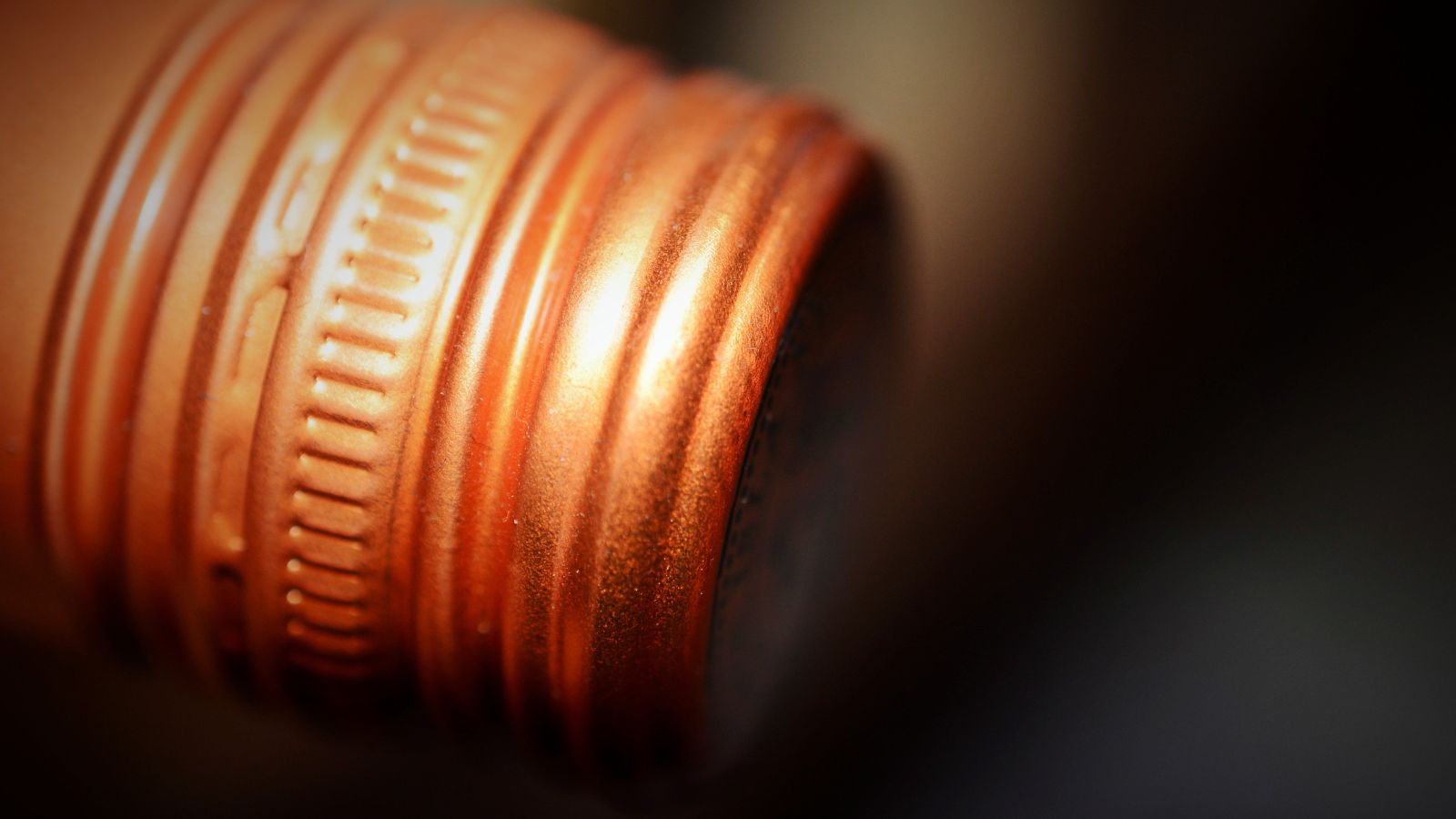
Screw caps, introduced to the wine market in the early 1970s, are increasingly used on bottles of wines intended for early consumption and freshness, as they provide an airtight seal that preserves fruity aromas without the risk of cork taint. However, their use does not allow for the aging of the wine.
This type of closure remains relatively uncommon in France because screw caps have a bad reputation, but it is becoming increasingly widespread. Screw caps are wrongly associated with poor-quality wines. In reality, their use is not linked to price or the quality of the bottled wine, but rather to its limited aging potential, as they prevent the slow oxygenation caused by cork. As you know, fine wines intended for aging are typically sealed with cork stoppers.
However, it should be noted that screw caps, thanks to technological advancements and modernization (for example, Saran-Tin caps), now allow for controlled micro-oxygenation similar to that of high-quality corks, permitting slow aging without the risk of cork taint. Examples include Australian Rieslings aged for over 30 years under screw caps, which develop petrol and honey notes, and New Zealand Sauvignon Blancs, which gain complexity over 10 to 15 years.
Sulfites are bad for your health
Sulfites in wines often get a bad rap among consumers who blame them for headaches. However, the sulfite content of wine is low (generally 20 to 150 mg/L in total, with red wines containing less than whites) compared to that of dried fruit (1000 mg of SO₂ per kilo on average and up to 2000 mg/kg) or processed foods, and studies show no link with headaches or hangovers; these are more often due to tannins, alcohol, histamine, or dehydration.
However, sulfites can be problematic for asthmatics or people sensitive to sulfites, who represent 1 to 10% of the population. If sulfite content is a deciding factor for you, you can choose red wines that require less sulfite thanks to their natural tannins, or wines with low added sulfite levels or no added sulfites at all.
Note that the phrase "no added sulfites," found for example on bottles of organic wines, does not mean the wine is completely free of sulfites. Even without added sulfites, fermentation produces them, so a wine labeled "no added sulfites" is not a wine labeled "sulfite-free." All wines naturally contain sulfites, even if only in trace amounts; labeling begins above 10 mg/L.
Red wine should be served warm
All wines, regardless of color, should be served chilled. The optimal serving temperatures for red wines vary depending on the style, in order to enhance aromas, balance acidity, and avoid masking flavors. They generally range between 12° and 18°C:
- For light/fruity red wines such as Beaujolais, Pinot Noir, and Gamay: 12-15°C – a slight chill enhances the fruit without masking the freshness.
- For structured/tannic red wines such as Bordeaux or Syrah: 15-18°C – this allows the tannins to soften and the tertiary aromas to develop.
- For Grand Cru and aged wines: 17-20°C maximum – for optimal complexity, but never "warm" like a heated room (20°C and above).
Serving wine too warm (above 18-20°C) amplifies the alcohol's warmth, which then dominates and diminishes the freshness. The tannins become aggressive, and the aromas fade. Conversely, serving wine too cold masks the fruit and hardens the tannins. Neither of these options is suitable for wines without added sulfites, which thrive at specific temperatures to preserve their vibrancy.
For precise serving, consider using a wine thermometer or a serving cabinet.
Long legs on a glass of wine attest to the high quality of the wine
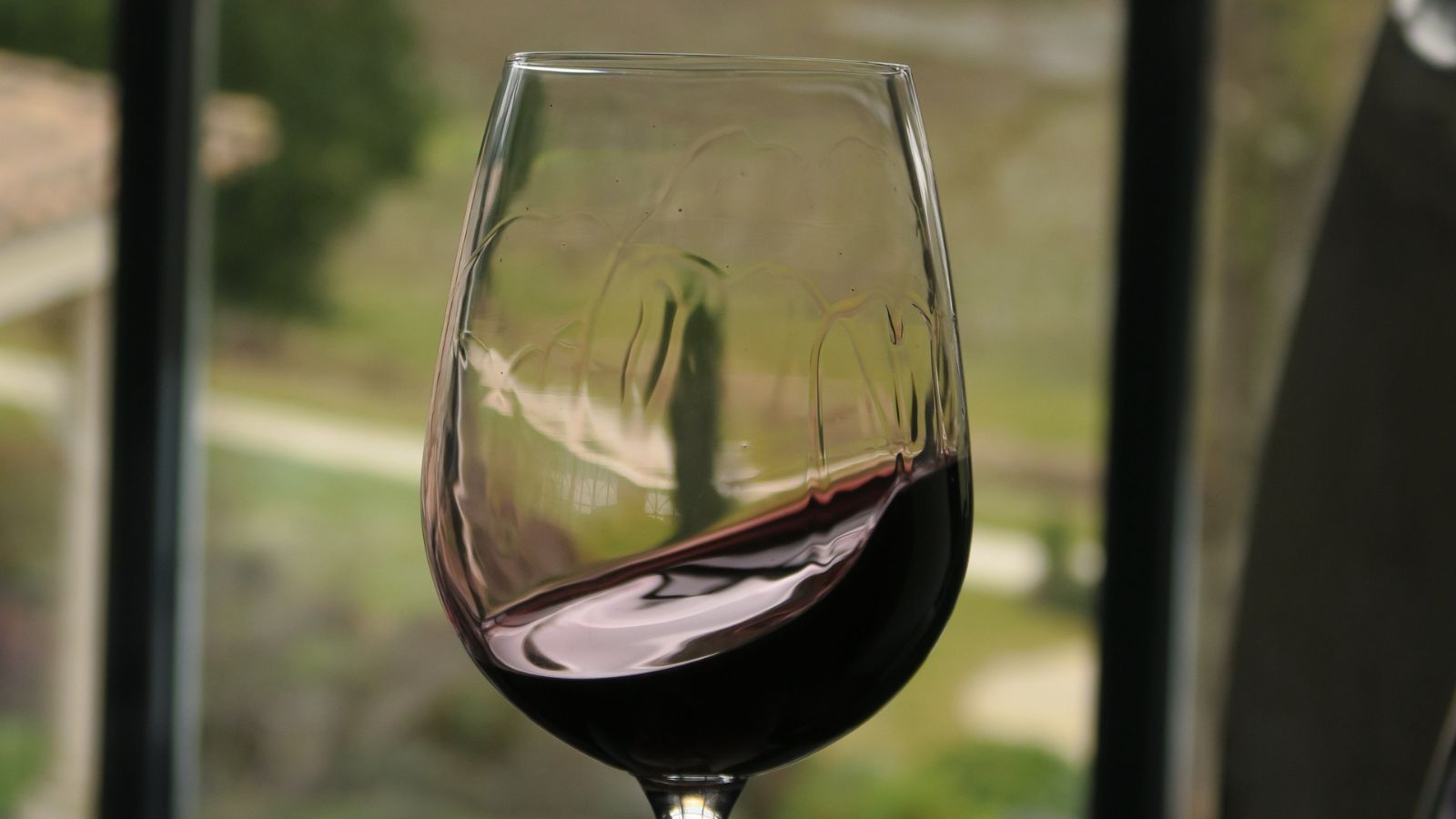
During tasting sessions at Château La Rose Perrière, you will be invited to observe the traces left by the wine on the side of your glass. When you swirl the wine, the trails or droplets that cling to the sides of the glass before flowing away are called tears or legs. They reflect the wine's viscosity, primarily due to its alcohol and residual sugar content. Wines with a higher alcohol content (over 14-15%) produce more pronounced and slower-moving legs because of denser droplets; sweeter wines also have thicker legs because the sugar increases viscosity.
As you might have guessed, the legs and their appearance are not an indicator of wine quality: many great wines have few legs, while inexpensive, high-alcohol wines can have many. The shape of the glass, temperature, and cleanliness can influence their appearance, but they primarily reveal clues about the wine's alcohol content and sugar level.
Price and prestige: the most expensive wines are the best
One persistent misconception is that a wine's price is directly linked to its aromatic qualities: "More expensive wines are often better." In reality, a wine's price reflects several factors unrelated to its organoleptic qualities. Indeed, the price of wine is determined by a combination of production costs (land and terroir, yield, labor, vinification, and aging), market dynamics (the relationship between supply and demand, which influences a wine's scarcity), and perceived value (the reputation of an estate/classification, a terroir, an appellation, a vintage, and critics' ratings), and not solely by quality. Thus, a bottle can range from a few euros to thousands of euros without this price necessarily reflecting the wine's intrinsic quality. Aging in new oak barrels, like that used for La Rose Perrière wines, will be more expensive than aging in tanks or used barrels. Winegrowers thus define the base costs, the intrinsic value of the wine, to which additional costs are added.
Notes and tasting pleasure: I am bound to enjoy the tasting of a well-rated wine
Whether you're a novice in œnology or a lifelong wine enthusiast, it's highly likely you've been influenced at least once in your wine purchase by a rating, a medal, or a critic's review. All these forms of recognition strongly influence consumer purchasing decisions. However, while these elements can be indicators of quality confirmed by specialists, they don't necessarily guarantee that the wine will suit your taste.
We therefore advise you to keep in mind that your palate and tastes are unique, shaped by your eating and tasting habits. A person's palate can, of course, evolve throughout their life, depending on their various wine experiences. The key word remains pleasure. If pleasure is present during the tasting, scores and medals will be of little importance. Especially since only a small proportion of the wines produced are submitted to competitions or offered for tasting to wine critics.
You need several different wine glasses to appreciate wine
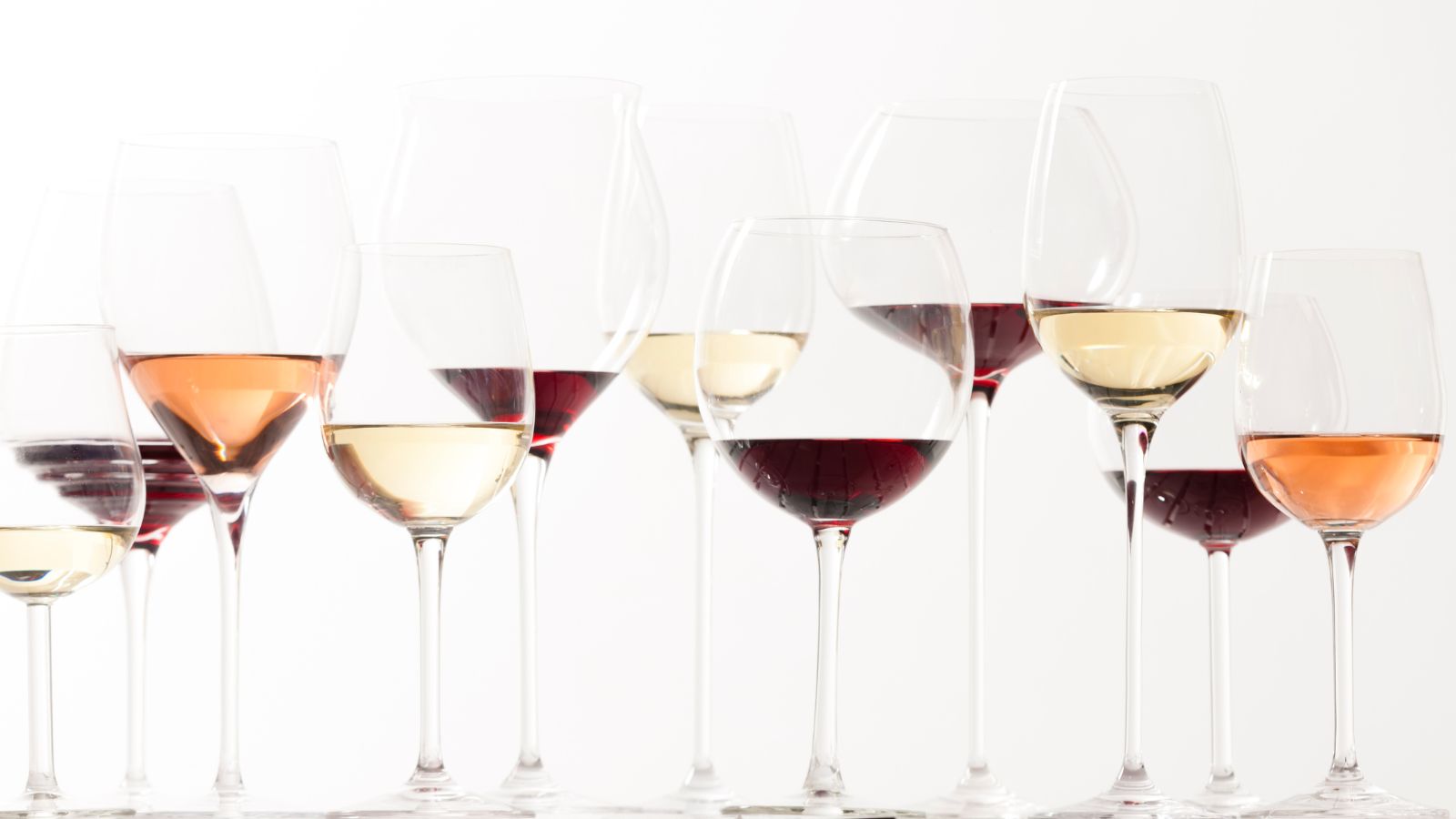
It's not essential to use specially shaped glasses to fully taste and appreciate a wine. While certain specific shapes can highlight particular aromas and flavors, a good quality tulip glass is suitable for most wines.
The shape of the glass does indeed influence the diffusion of aromas, oxygenation, and the perception of the wine on the palate: wider glasses are better suited to full-bodied red wines by softening the tannins, while narrower glasses preserve the freshness of white wines. Studies confirm that the vapors carrying the aromas concentrate differently depending on the shape of the glass. This is why experts and sommeliers use different glasses for greater precision (for example, a large Burgundy glass for Pinot Noir, a smaller one for Sauvignon Blanc), but casual drinkers won't notice such significant differences. A universal ISO tasting glass (tulip shape, 40-50 cl) or even a simple stemmed glass is sufficient for 90% of wines, prioritizing a thin rim and clarity over variety. However, if you are in an experimental mood, feel free to taste the same wine in three different glasses (standard, wide, narrow) to discover the subtle differences and emphasize enjoyment.
Food & wines pairings: red wines pair well with meat and white wines with fish
This is probably one of the most widespread misconceptions about wine, but the notion that white wine always goes with fish and red wine with meat is an oversimplification and outdated. While it's true that red wine pairs better with spicy dishes and white wine with milder ones, and that oily fish goes perfectly with red wine and white meat with white wine, the best way to pair wine with a dish is to analyze and harmonize the flavors.
Firm-fleshed fish such as salmon, swordfish, or tuna pair well with light red wines like Pinot Noir, or even more full-bodied white wines like oak-aged Chardonnay. Fried or sauced fish (for example, with beurre blanc) go perfectly with sparkling or rosé wines for their effervescence and freshness.
When it comes to meat, lean white meats like chicken or pork pair well with crisp, dry white wines, while spicy or grilled meats go better with a semi-dry Riesling to temper the heat. The choice of sauce is crucial: a creamy meat dish might be better complemented by a Chardonnay than by a Cabernet.
In short, prioritize the balance between the structure, acidity, and tannins of the wine, and the flavors, textures, and sauces of the dish. And of course, don't be afraid to experiment!
Photos ©Canva