Muscadelle: the discreet grape variety that makes Bordeaux whites shine
Its origins
Historically established in the Bordeaux region, Dordogne, Bergerac, and Lot-et-Garonne, Muscadelle is an ancient grape variety whose first mentions date back to the 18th century. According to genetic analyses, it is believed to be a descendant of Gouais Blanc, an ancestral grape variety from the Middle Ages, crossed with another, as yet unidentified, parent. It may have originated in more southerly areas or resulted from a local mutation. It is known by other regional names such as Bouillenc, Musquette, Raisinote, Cadillac, Muscat Fou, Angélique Blanche, and Sauvignon Vert in California, Pedri Ximenes Krimsky in Russia, and Tokay in Australia. This grape variety is particularly prized in the blends of Bordeaux white wines.
Muscadelle grapes around the world: their terroirs
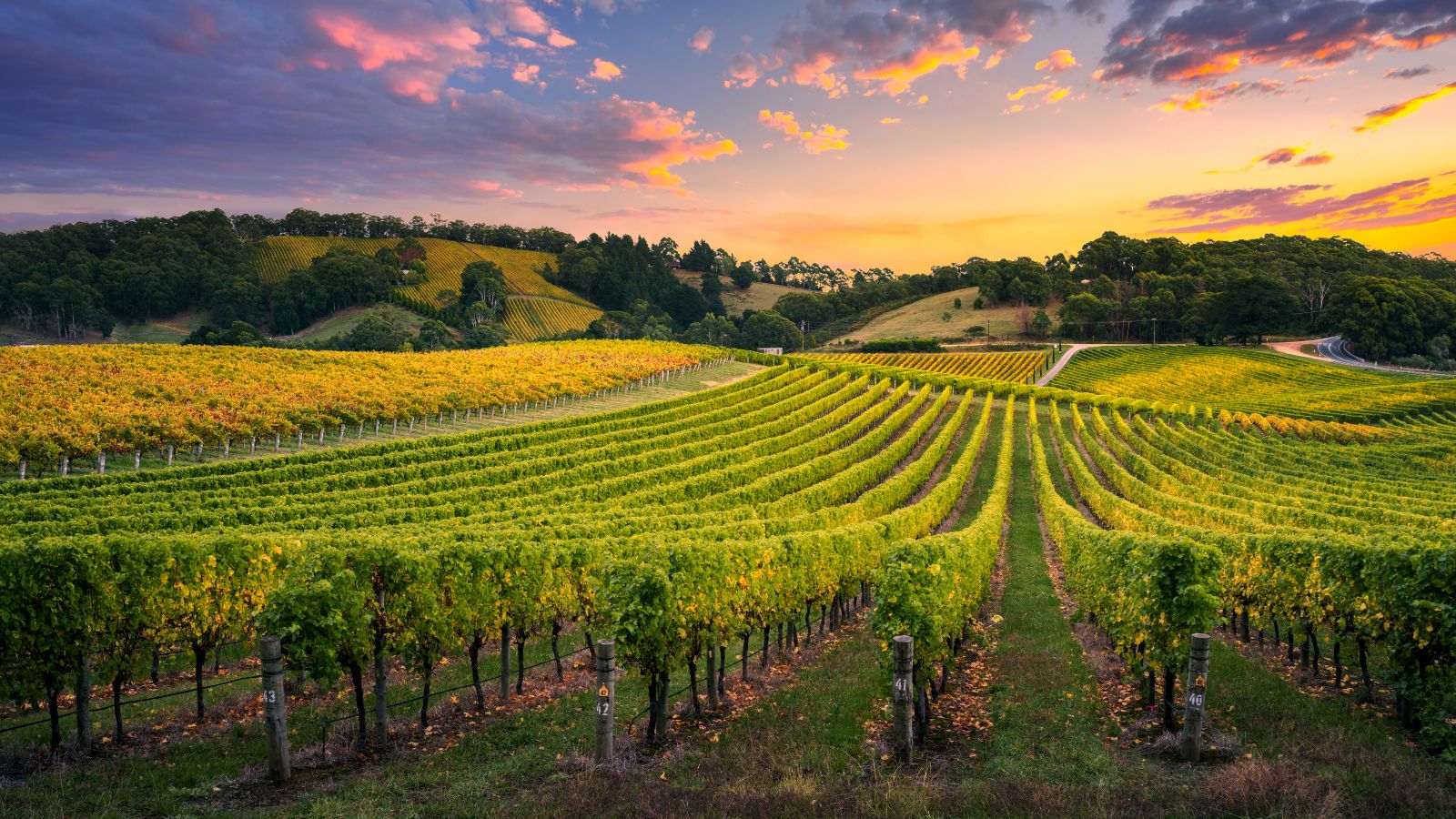
Muscadelle is primarily cultivated in southwestern France, where it covers approximately 1,600 to 2,000 hectares, mainly in and around Bordeaux. It is found, for example, in the Bordeaux sub-regions of Sauternes, Barsac, Entre-Deux-Mers, Pessac-Léognan (Graves), Bergerac, and Monbazillac (in even higher proportions in sweet wines). It is also found in smaller quantities in Charentes, Languedoc (Corbières), and Roussillon (Collioure), but its cultivation there is declining.
Globally, it is planted on approximately 4,000 hectares, its presence being more marginal elsewhere due to its susceptibility to disease:
- In Australia: northeast of Victoria (Rutherglen, Glenrowan) for the fortified wine "Topaque" (ex-Tokay); also in the Barossa Valley.
- In the United States: in small plantations in California (Napa Valley), Washington State, and South Carolina (Columbia); formerly misidentified as Sauvignon Vert.
- Other European countries: minor experimental plots in Romania (5 ha), Hungary, and Ukraine.
- Rest of the world: in South Africa, in Argentina, in Uruguay (historically wrongly labeled as Sémillon).
In France, plantings have declined since the 1990s due to their vulnerability to botrytis, mildew and the low demand for dry white wines.
Characteristics
Morphology
The mature leaves of Muscadelle have three lobes and are medium-sized, green with a high density of prostrate hairs on the tips of young shoots. The bunches of this grape variety are rather long, large, loose or compact, and cylindrical-conical. The grapes have thin skins and ripen early, but are susceptible to rot, coulure (poor fruit set), downy mildew, and inclement weather, making its cultivation particularly delicate. Its early ripening is especially well-suited to successive pickings (successive harvests of grapes affected by noble rot, generally carried out from September to November) for late harvests.
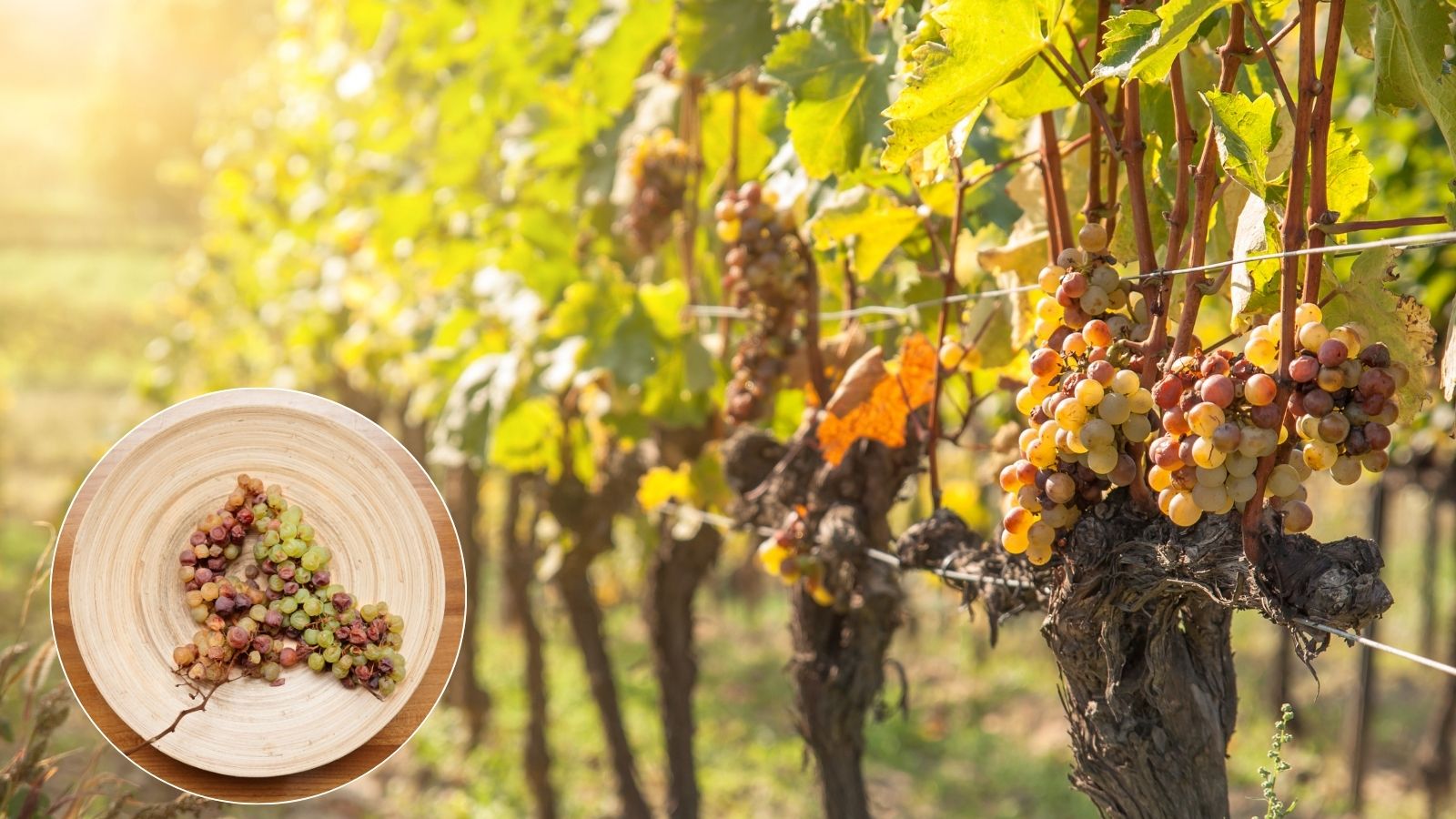
Muscadelle is distinguished by its intense floral aromas and low acidity, which enhance the blends of Bordeaux white wines, particularly sweet wines like Sauternes. Despite the challenges of cultivation, it imparts a unique fragrance to the resulting wines, which are low in acidity, round, powerful, and highly aromatic, with aromas of honeysuckle, jasmine, acacia blossom, and a subtle muscatel note (although it is not related to Muscat).
This grape variety produces medium-alcohol wines that are susceptible to oxidation, which is why it is best used in blends rather than vinified as a single varietal. It also perfectly complements Sémillon and Sauvignon Blanc in blends, forming the iconic trio of Bordeaux white wines. It brings roundness, distinctive floral aromas, and structure, balancing the lively acidity of Sauvignon Blanc with the rich, full-bodied character of Sémillon.
Pairings
Whether vinified dry or sweet, Muscadelle wines pair well thanks to their floral roundness, low acidity, and notes of honeysuckle, exotic fruits, or honey. Distinguish between dry whites (versatile, light) and sweet whites (rich, for rich or sweet-and-savory dishes).
Pairings with soft white wines:
- For the holiday season in particular, Foie gras will be a great ally, also consider cheeses such as Roquefort or strong blue cheeses to play on the sweet-salty contrast.
- Duck à l'orange, caramelized pork ribs,
- Fruity desserts (pear, peach, citrus fruits)
- As a refreshing aperitif or throughout a meal, to enhance the richness and sweetness with aromatic complexity (candied fruits, musk).
Pairing with a dry white wine: our Château Le Rose Perrière Blanc
At Château La Rose Perrière, Muscadelle adds a subtle touch to the blend of our Château La Rose Perrière Blanc, a Bordeaux Blanc appellation wine. Here are a few pairing suggestions to fully appreciate the complementary nature of Muscadelle with Sémillon and Sauvignon Blanc, pairings perfectly suited to the cuisine of Southwest France or the Mediterranean.
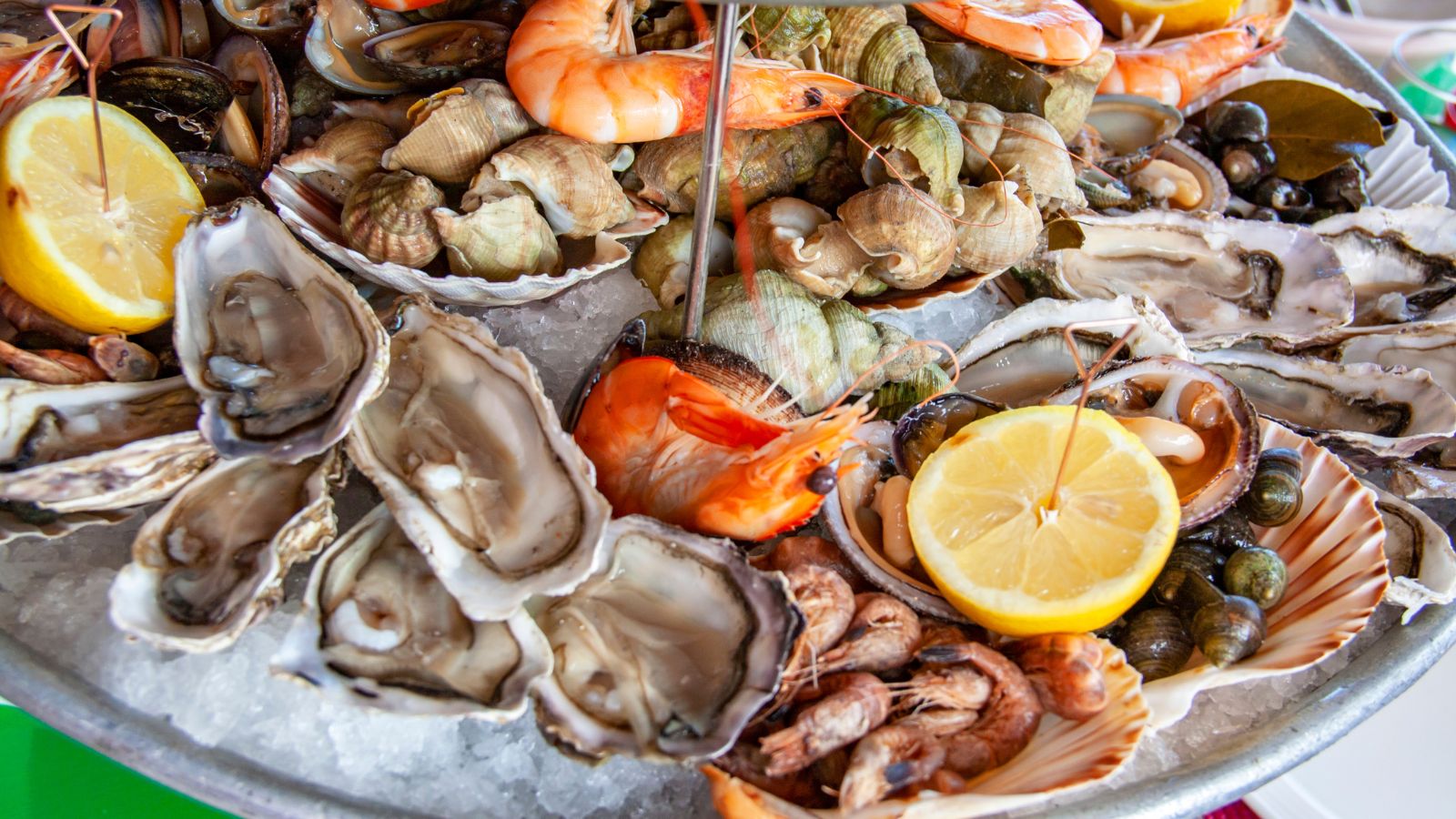
- Seafood, grilled fish, cod with lemon, fish terrine or vegetables: the aromatic structure and texture of the wine respect the iodized delicacy of seafood while highlighting it.
- Creamy white meats (such as filet mignon in cream sauce or chicken), salads, or soft, fresh cheeses (like goat cheese or Crottin de Chavignol) are all excellent pairings that rely on a perfect balance between the wine's roundness, the creamy texture of the dishes, and their complementary aromas. The Muscadelle's low acidity and supple texture blend beautifully with the richness of the food without overpowering it.
- A simple aperitif or lightly spiced dishes, where suppleness and floral aromas balance textures and freshness.
Keep in mind that white wines made from Muscadelle grapes, often blended, fully reveal their bouquet in their youth or after only 2-3 years of aging. Serve them chilled, between 8 and 10°C, to preserve their balance and enhance their delicate floral aromas.
In summary
Muscadelle remains a relatively uncommon grape variety in French and Bordeaux vineyards. It accounts for approximately 5 to 7% of white grape vineyard acreage. While it is a minor component in blends, often representing only 3 to 10%, it is nonetheless an essential element in the landscape of white wines. Despite its susceptibility to disease, Muscadelle is valued for its ability to enrich blends without overpowering them. This characteristic is typical of so-called "secondary" grape varieties, which nevertheless play a significant role in crafting balanced and nuanced wines.
Enjoy!
Photos ©Canva