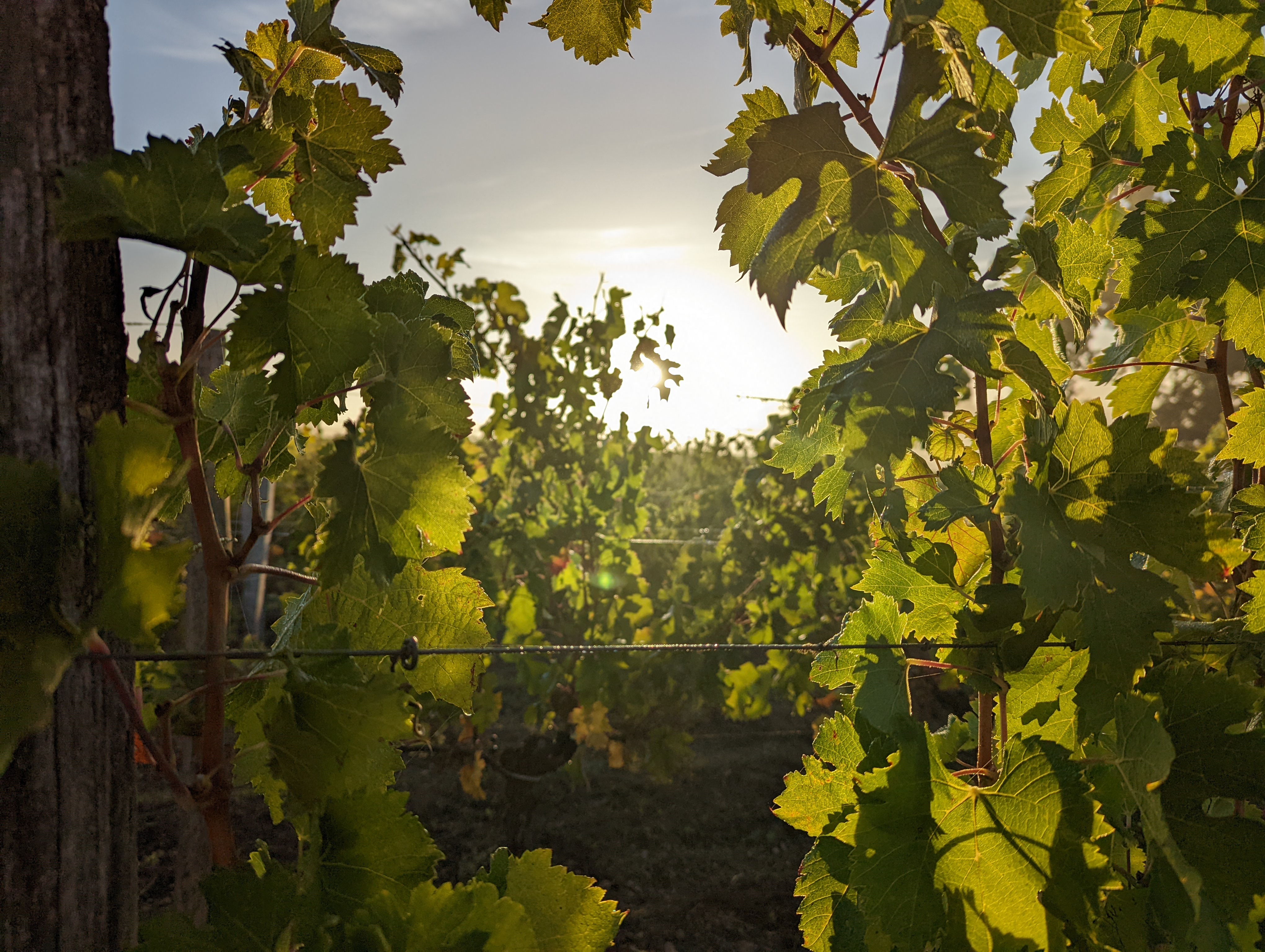
Knowing how to read the vine: how to distinguish grape varieties even before the harvest
Have you ever tried to guess which grape variety is hiding behind the leaves and clusters as you walk past a vineyard? While the grapes themselves are often the first clue that comes to mind, they are not the only indicators of a vine’s identity. The vine stock, the shape of the leaves, the arrangement of the clusters, and the appearance of the individual berries are all characteristics that can help refine your observations.
Identifying a grape variety means learning to look at the vine in a new way—by paying close attention to the small details that make it unique. Whether you are trying to distinguish a Merlot from a Cabernet Sauvignon, or simply seeking a better understanding of the diversity of the vines around us, a few visual cues can make all the difference and offer valuable insights.
Follow this guide to discover the key features to look for when identifying a grape variety in the vineyard—a true introduction to the practice of ampelographic observation!
The grape variety
Grape varieties are the different types of vines that produce either table grapes or wine grapes. Identifying these varieties relies on analyzing several morphological criteria, including the color of the buds and berries, the shape of the leaves and shoots, the size of the grape clusters, and the stage of physiological maturity. Ampelography is the scientific study of vines and grape varieties; the term is derived from two Greek words: *ampelos* (vine) and *graphein* (to write). It is based specifically on the observation of buds, leaves, veins, berries, clusters, shoots, and inflorescences to distinguish between different grape varieties. This field makes it possible to identify specific varieties and characterize each one based on factors such as its flowering period, earliness, seasonal behavior, production potential, bud characteristics, susceptibility to diseases and pests, and the quality of the grapes and the wine produced from them.
The first clues: the vine and the foliage
The vine
- The growth habit of a grapevine—whether upright, drooping, vigorous, or more restrained—can assist in identifying a grape variety by revealing how the shoots develop and are arranged on the vine. Depending on the variety, the shoots may exhibit an upright, semi-upright, or drooping habit. These characteristics help distinguish between certain grapevine varieties. However, the growth habit is also influenced by the training system, pruning methods, the vine's vigor, and environmental conditions. Consequently, while it serves as a useful criterion for identifying a grape variety, it is not a definitive one.
- Internodes: these correspond to the sections of a vine shoot located between two nodes—the points where structures such as leaves and buds are attached. Observing the length, thickness, shape, and coloration of internodes can help in identifying a grape variety. Some varieties have shoots with relatively short internodes, while others may have longer ones. Whether long or short, they vary not only according to the grape variety but also depending on the vine's vigor and climatic conditions.
However, observing these two criteria is not sufficient for reliable identification. It is therefore preferable to examine several characteristics of the vine and compare them against reference ampelographic descriptions.
It should also be noted that, within the same row of vines, differences between individual plants do not necessarily imply a difference in grape variety. In fact, a vine’s age, crop load, and health status can profoundly alter its overall appearance.
Foliage
Photos ©Canva
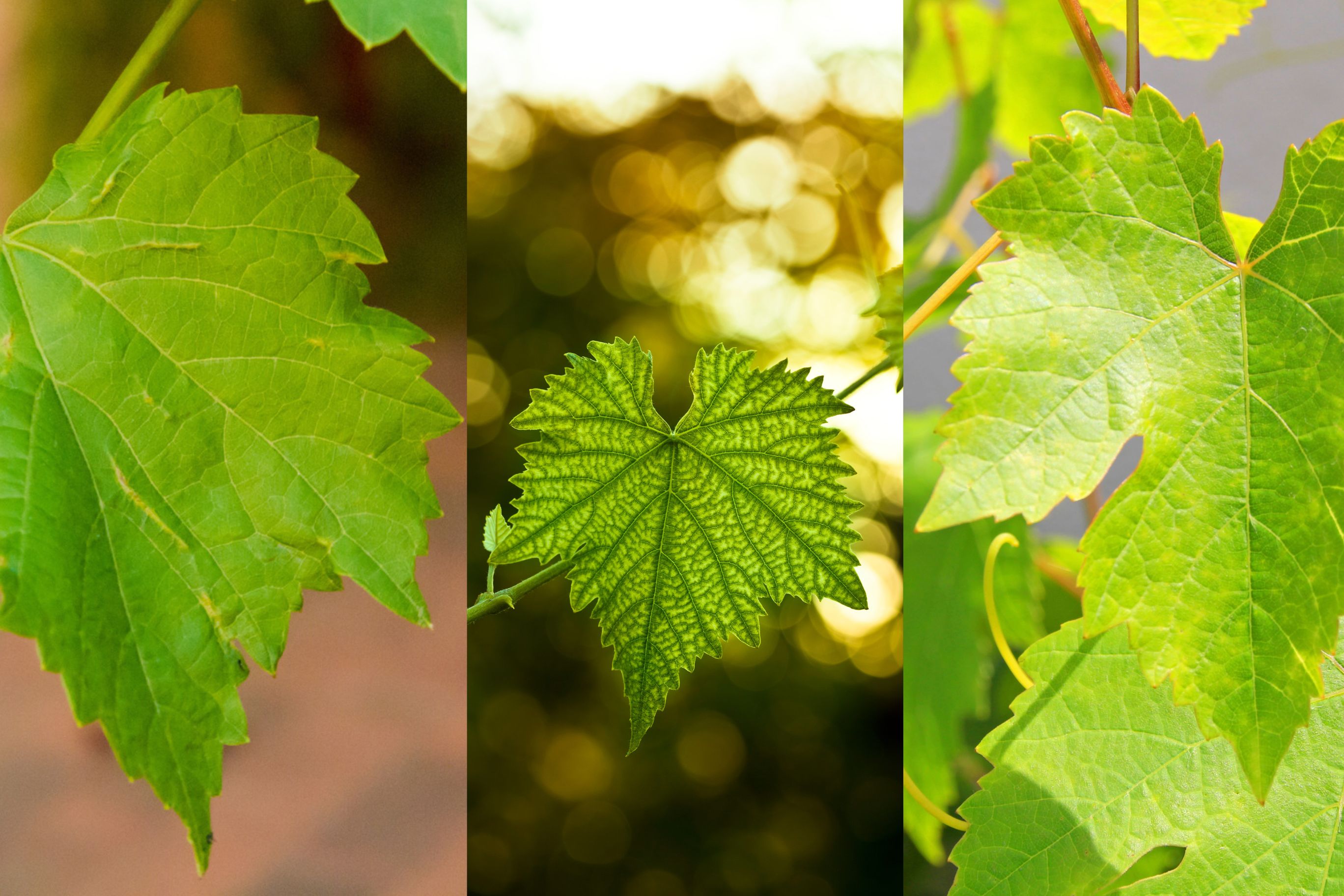
As you stroll through the vineyard rows, you will undoubtedly notice that the foliage varies from vine to vine. This is why the leaf is a particularly useful feature for identifying and distinguishing between grape varieties; indeed, along with the grape cluster itself, it is arguably the most obvious indicator at first glance. Through its distinct characteristics—such as the overall shape of the leaf blade, the number of lobes (three, five, or more) and how they are defined, the shape of the teeth along the margins, the depth of the petiolar sinus (the opening at the base of the leaf), and the color and hairiness (presence and density) on both the upper and lower surfaces—the grapevine leaf reveals a great deal.
The color of the leaf can also provide additional clues. Mature leaves exhibit a range of coloration, from light to dark green, sometimes with quite distinctive nuances: certain grape varieties, such as Sémillon or Viognier, have lighter-colored foliage, while others may appear more bluish (e.g., Tempranillo), glaucous, or dark (e.g., Pinot Noir, Merlot, Tannat). As the leaves age, the hue may intensify, and some varieties develop yellowish or reddish undertones.
Furthermore, the size of the leaf and the appearance of its veins are also distinguishing characteristics that vary from one grape variety to another. The veins on the leaves influence the shape of the lobes, sinuses, through their number, arrangement, angles, prominence, and pigmentation.
It is important to note, however, that the appearance of leaves changes throughout the season and can be influenced by environmental conditions. To identify a grape variety with greater precision, it is therefore recommended to examine several healthy, mature leaves (around ten), ideally during the period between fruit set and veraison, and to supplement this analysis by studying the vine shoots, grape clusters, and berries. Furthermore, leaves can vary depending on their age, the rootstock, the vine's vigor, and growing conditions. Consequently, a single leaf is not always sufficient to distinguish between two closely related grape varieties.
Therefore there is no denying that in order to obtain a reliable result when identifying a grape variety, analyzing the foliage is not sufficient; it must be supplemented by observing other parts of the vine.
Irrefutable evidence: clusters and berries
Photos ©Canva
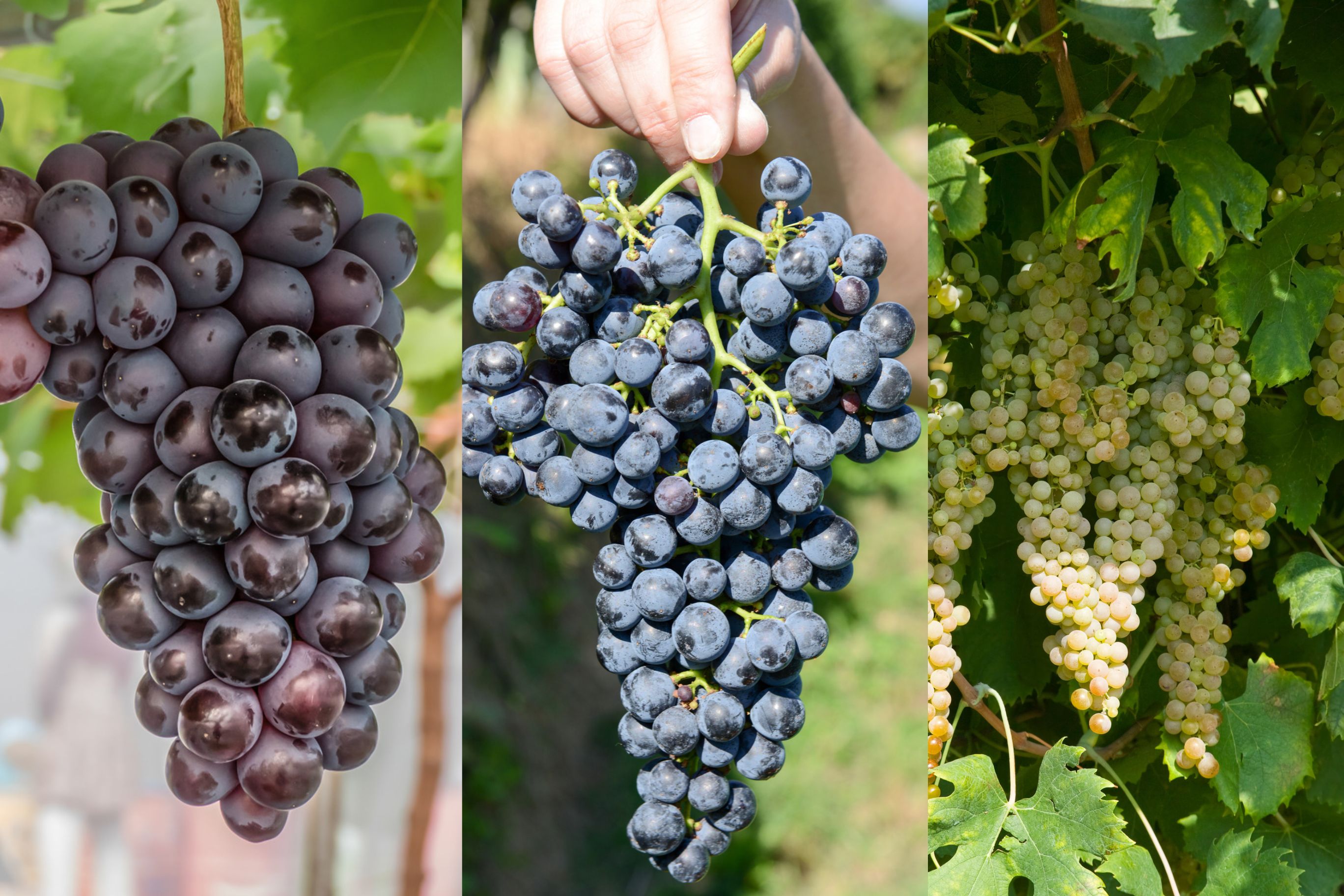
When the vine is at the peak of its vegetative development and its grape clusters are fully mature, distinguishing between different grape varieties becomes even easier. Observe the grape clusters as a whole, then refine your assessment by focusing your observations on:
- the size and shape of the cluster: cylindrical, conical, or branched;
- its compactness: whether the cluster is tight or loose;
- the size and shape of the individual berries;
- the color of the grapes at maturity.
Observing the berries—specifically their size, shape, color, and the thickness of their skin—also helps to refine identification. While these characteristics vary according to the grape variety, they can also be influenced by climatic conditions, the health status of the vine, and cultivation practices. It is therefore advisable to supplement the observation of the grape cluster by examining the leaves, shoots, and other features of the vine stock in order to achieve a more reliable identification.
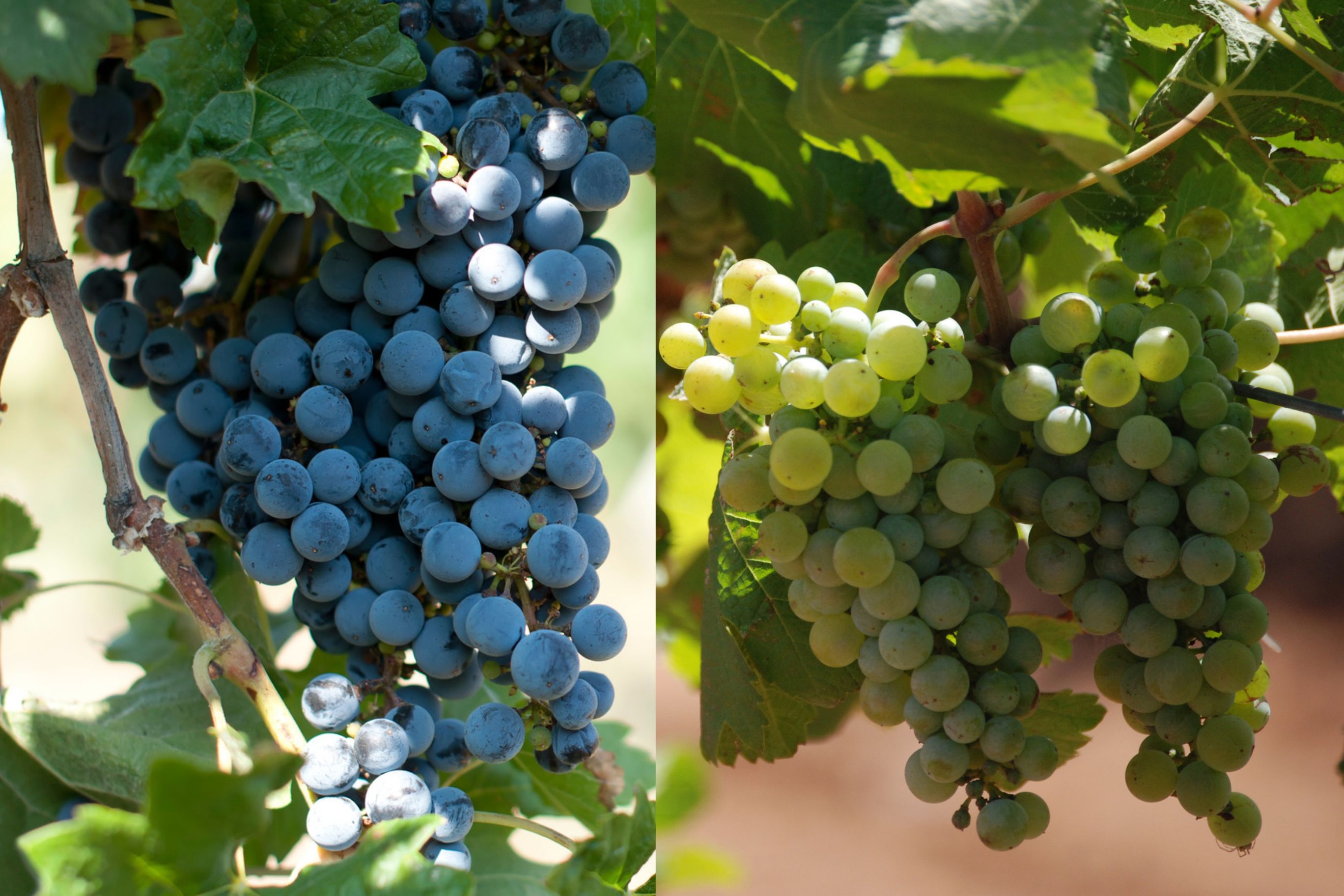
Take, for example, Merlot (on the left in the photo)—a flagship grape variety of the Bordeaux wine region, accounting for nearly 70% of the plantings at Château La Rose Perrière. Its leaves typically feature five lobes, its clusters are relatively compact, and its berries turn black upon reaching maturity. Depending on the individual vine, the petiolar sinus—the gap at the base of the leaf—may be open or, to varying degrees, overlapping.
Sauvignon Blanc (on the right in the photo) typically features five-lobed leaves, small to medium-sized clusters, and berries that are yellow-green when ripe.
Final indicator: the grapevine calendar
One final indicator to assist in identifying grape varieties in a vineyard is the vine annual calendar—observing the various stages of its development throughout the year. If you have the opportunity to pass by a vineyard plot regularly, each of the key phenological stages in the vine’s vegetative growth will help reveal the specific characteristics of the grape variety. Why? Because every variety exhibits distinct phenological traits—such as the timing of budbreak, flowering, veraison (the onset of ripening), and grape maturity—that can vary from one to another. By comparing whether these stages occur early or late, it becomes possible to distinguish between different grape varieties. For instance, a variety that buds early in the spring, or whose berries reach maturity before those in other plots, provides a useful clue for identification. However, these developmental stages are also influenced by climatic conditions, soil composition, and viticultural practices. Consequently, the phenological calendar serves as a reliable—though not definitive—supplementary criterion for identifying grape varieties.
In short
As you might gather, identifying a grape variety in a vineyard plot requires observing several distinct characteristics—traits that vary from one variety to another. One must also account for factors specific to the region (the *terroir*) and the vintage (climatic conditions), as these can influence the overall state of the vines. Learning to recognize grape varieties in the vineyard means understanding the origins of a wine even before tasting it. This knowledge creates a link between the plant, the *terroir*, the winemaker’s labor, and the qualities of the wine in your glass. It offers a deeper insight into the vineyard, connects the vine to the wine, and enriches the ultimate tasting experience. More broadly, it fosters an understanding of a *terroir’s* identity and the planting decisions characteristic of a particular wine region. For a wine enthusiast such as yourself, the ability to identify grape varieties will help you refine your personal preferences by pinpointing the specific varieties that produce the wine styles you enjoy most. At Château La Rose Perrière, no fewer than 10 different grape varieties grow across our clay-limestone plots, contributing to the creation of our organic wines—whether as blends or single-varietal bottlings: Merlot, Cabernet Franc, Cabernet Sauvignon, Sémillon, Sauvignon Blanc, Muscadelle, Syrah, Chardonnay, Malbec, and Pinot Noir.
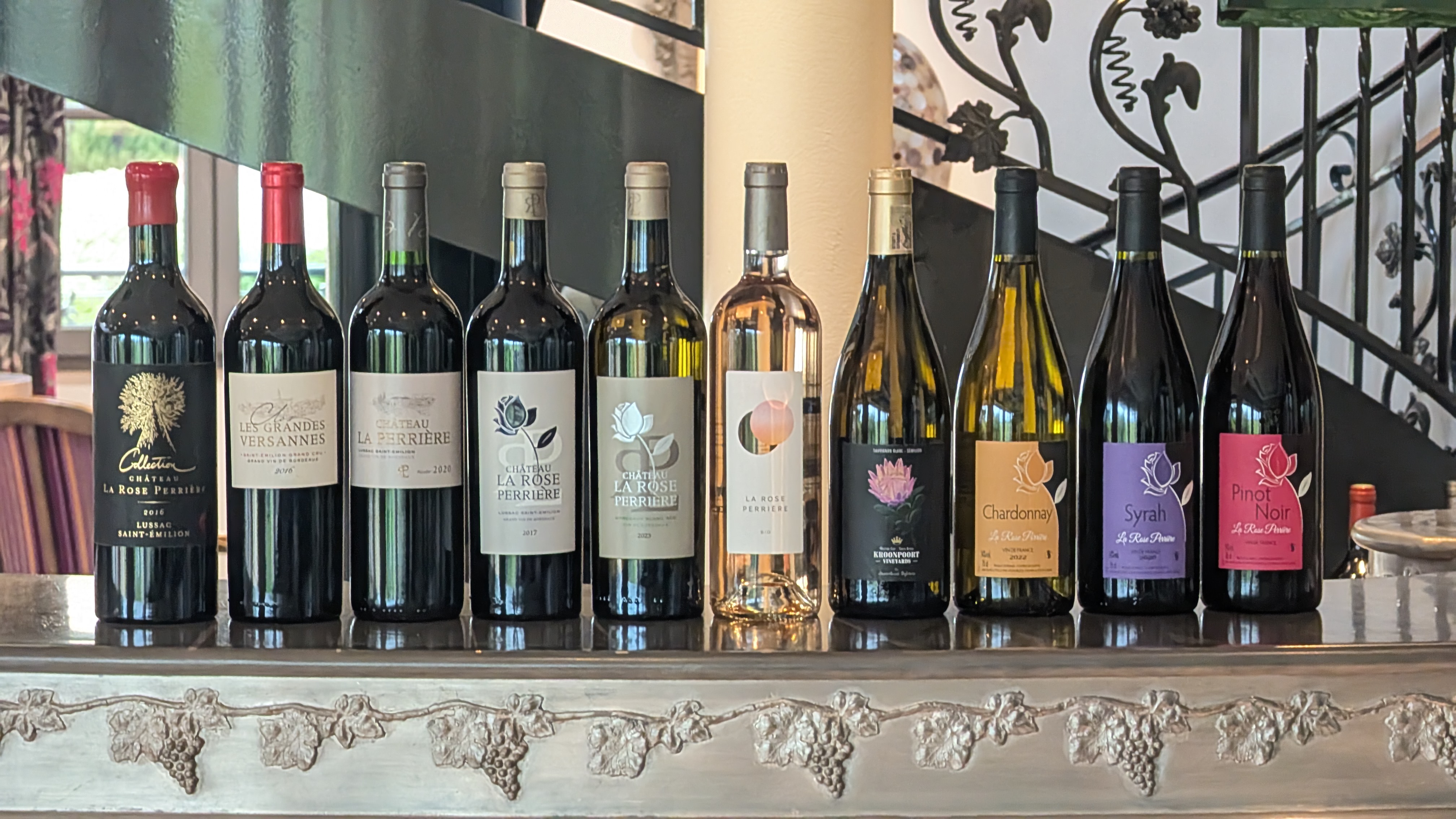
Château La Rose Perrière range of wines