Chardonnay: the chameleon of white grape varieties
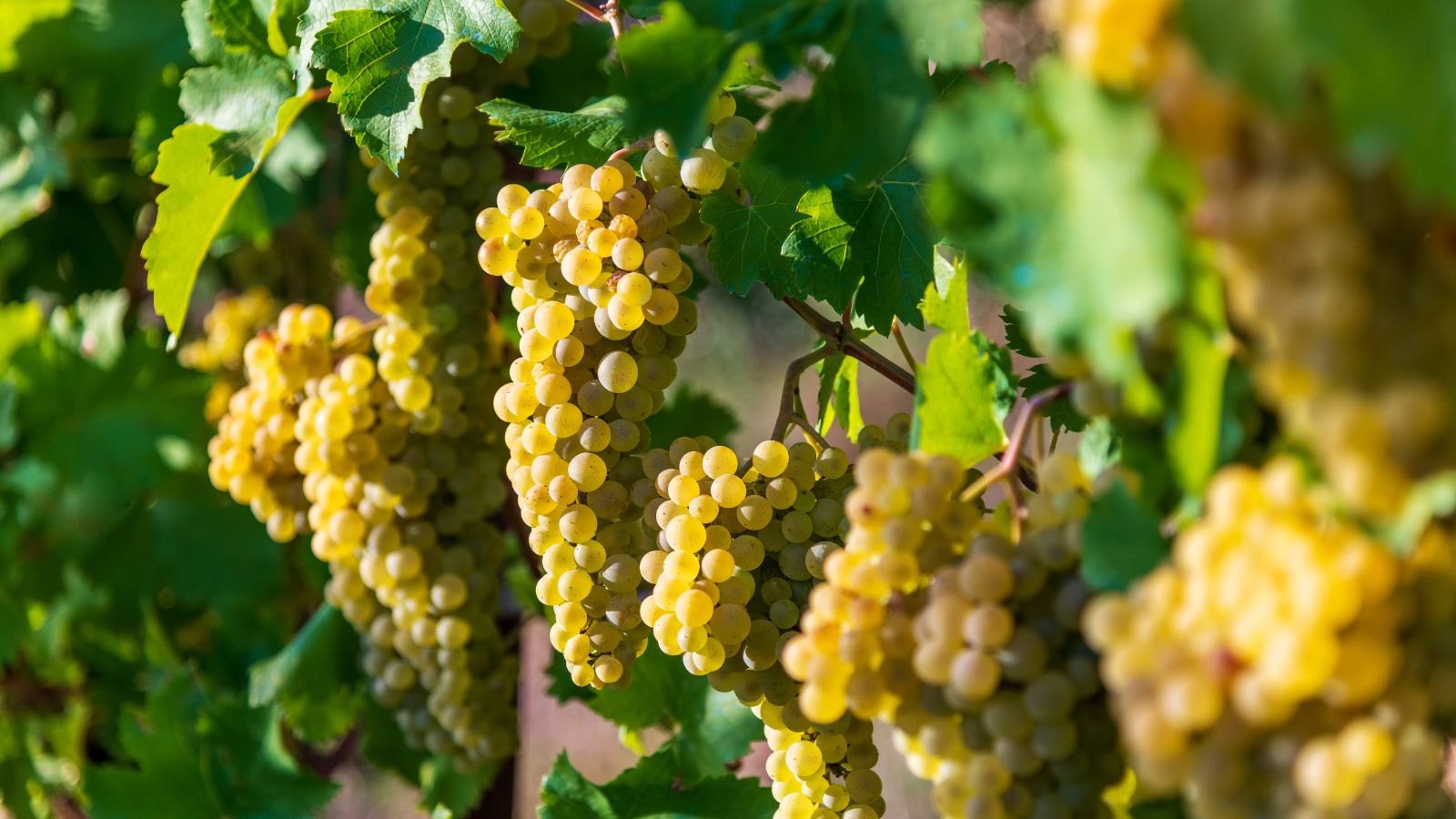
Photo ©Canva
This is a grape variety that needs no introduction, as it is known even to the most novice wine drinkers. Chardonnay has a reputation for being “everywhere”; it can be found in the great wines of Burgundy as well as in prestigious sparkling wines and simpler everyday vintages. For a novice, it is therefore an ideal companion: it allows you to travel from one style of wine to another without changing grape variety. It is one of those grape varieties that are an excellent starting point for learning about wine and an excellent gateway to the world of white wine. Discovering Chardonnay means learning to recognise the main families of aromas, sensing the influence of the climate, and perceiving the difference between a wine aged in vats and one aged in oak barrels. It is also an easy grape variety to pair with food, with combinations ranging from seafood to poultry with cream sauces. Let yourself be guided...
Its origins
Historical studies on Chardonnay have traced its origins to Burgundy, where it has been cultivated for centuries on the same land as Pinot Noir. The name ‘Chardonnay’ itself comes from a village called Chardonnay in the Mâconnais region of southern Burgundy. The genetic origins of the grape variety have only recently been discovered: it is the result of a natural cross between Pinot (mainly Pinot Noir) and Gouais Blanc. The latter is believed to have originated in Central Europe and been spread by the Romans. It was widely planted in Burgundy during the Middle Ages. At that time, monks (Benedictines and Cluniacs) selected and spread Chardonnay throughout the great Burgundy terroirs, particularly in the Côte de Beaune and Chablis. From then on, the grape variety spread to other French regions, including Champagne, Jura, Savoie and Languedoc, to name but a few. From the 18th century onwards, Chardonnay set out to conquer international vineyards.
Chardonnay around the world
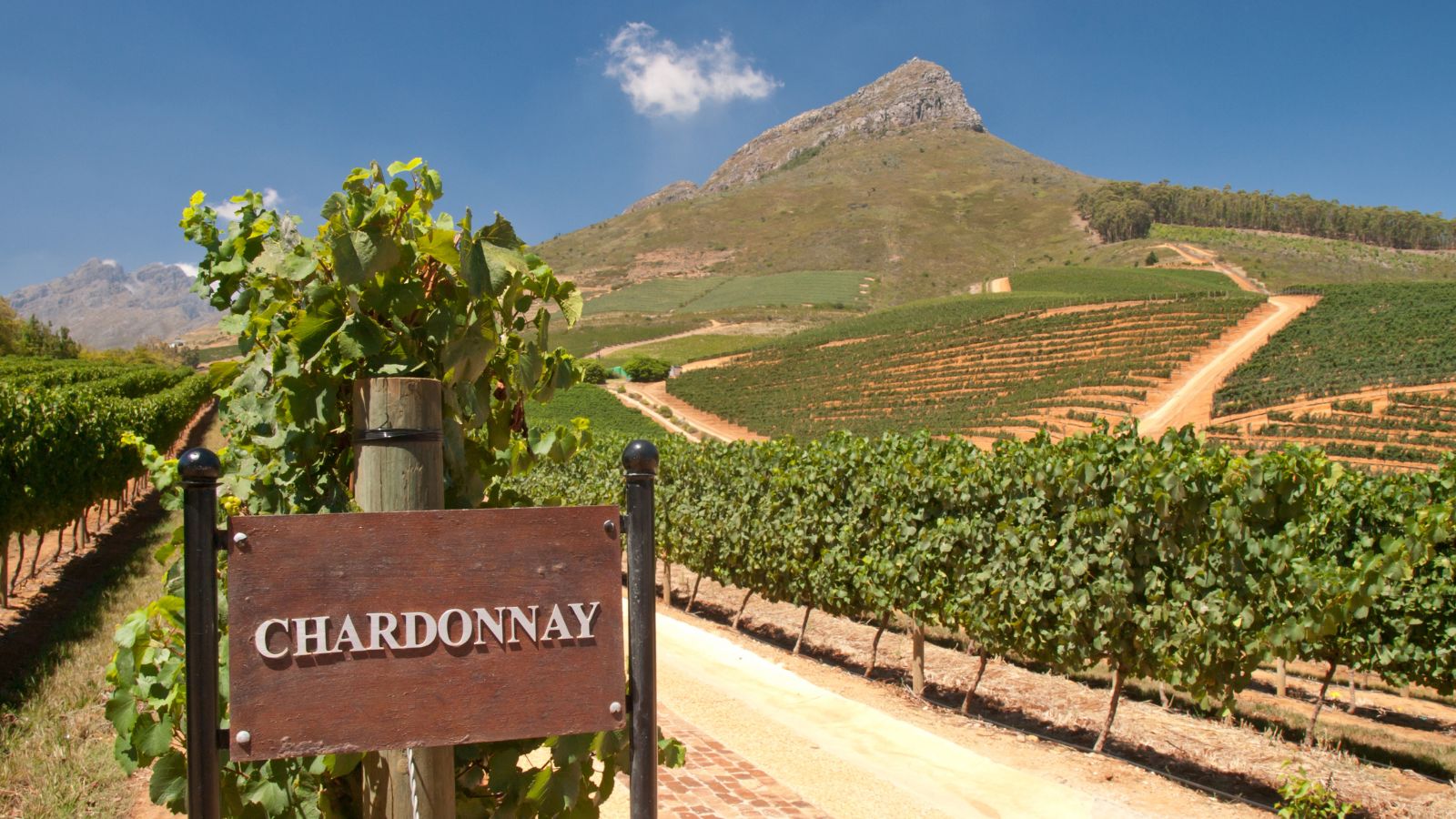
Photo ©Canva
Chardonnay is now a recognised and very popular grape variety throughout the world thanks to its great adaptability. It can be grown in a wide variety of geographical and climatic conditions, both hot and cool. In France, it has spread beyond the boundaries of the Burgundy vineyards (Chablis, Côte de Beaune, Côte Chalonnaise, Mâconnais) to reveal the terroir of other regions such as Champagne, Languedoc, Loire and Jura.
In Europe, winegrowers and winemakers in Spain, Germany, Austria, Italy (especially in the north) and also in Eastern European countries have also adopted the grape variety. It is also found in Australia, where it is widely planted in the Yarra Valley, Margaret River and Adelaide Hills, and in New Zealand (Marlborough, Hawke's Bay, Gisborne). On the American continent, it is present in Argentina, Chile and Canada, but it is really in the heart of the vineyards of the United States (California, Washington, Oregon) that it has established itself and flourished. The United States is in fact the second largest producer of Chardonnay after France.
Special features and characteristics
Chardonnay is appreciated for its versatility and remarkable ability to reflect the terroirs on which it is grown. It is often described as a true ‘interpreter of the terroir’. On limestone soils, for example, it reveals aromas of green apple and lively acidity. Under warmer sun, it takes on a golden, rounded colour, offering tropical fruit aromas and a smooth, creamy texture on the palate. This white grape variety can produce wines ranging from light and fresh to rich and opulent, depending on factors such as climate, soil and viticultural practices. Its aromas can vary from notes of lime and green apple in fresh wines to peach, pineapple and butter in richer, more mature wines. On the palate, Chardonnay is often rich and creamy, with balanced acidity and notes of hazelnut and butter. It is the buttery taste of Chardonnay that has made this grape variety legendary. More than just richness, it is a texture, a warmth and a satisfaction. Combined with tropical fruit aromas and woody notes, it creates an aromatic profile that is both indulgent and refined.
Chardonnay lends itself to a wide variety of winemaking styles, making it an extremely versatile grape variety. It is used to produce still white wines, sparkling wines such as Champagne, as well as sweet, syrupy wines. Among the best-known wines are classic Burgundy wines such as Chablis, Meursault and Pouilly-Fuissé.
Wines styles
Chardonnay produces a wide variety of wines whose styles are influenced by the climate and terroir in which it is grown. In cool climates such as Champagne or Chablis, the grape variety produces wines with high acidity and aromas of green apple, pear and lemon. In vineyards with temperate to warm climates, such as Languedoc and Napa Valley, Chardonnay wines have more moderate acidity, fuller body and higher alcohol content, with notes of pineapple, melon and peach, often enhanced by oak ageing.
As Chardonnay is generally not very aromatic, it leaves plenty of room for the influence of the terroir and cellar choices, hence its nickname ‘the winemaker's grape’.
The dominant aromatic profiles range from white-fleshed fruits (apple, pear), citrus fruits, white flowers and almonds in non-oaked styles, to notes of butter, vanilla, hazelnut and brioche when aged in wood and on lees. The mineral aroma, often described as ‘stony’ or ‘chalky’ and influenced by the soils on which the grapes are grown, is another common bouquet in dry Chardonnay.
At La Rose Perrière
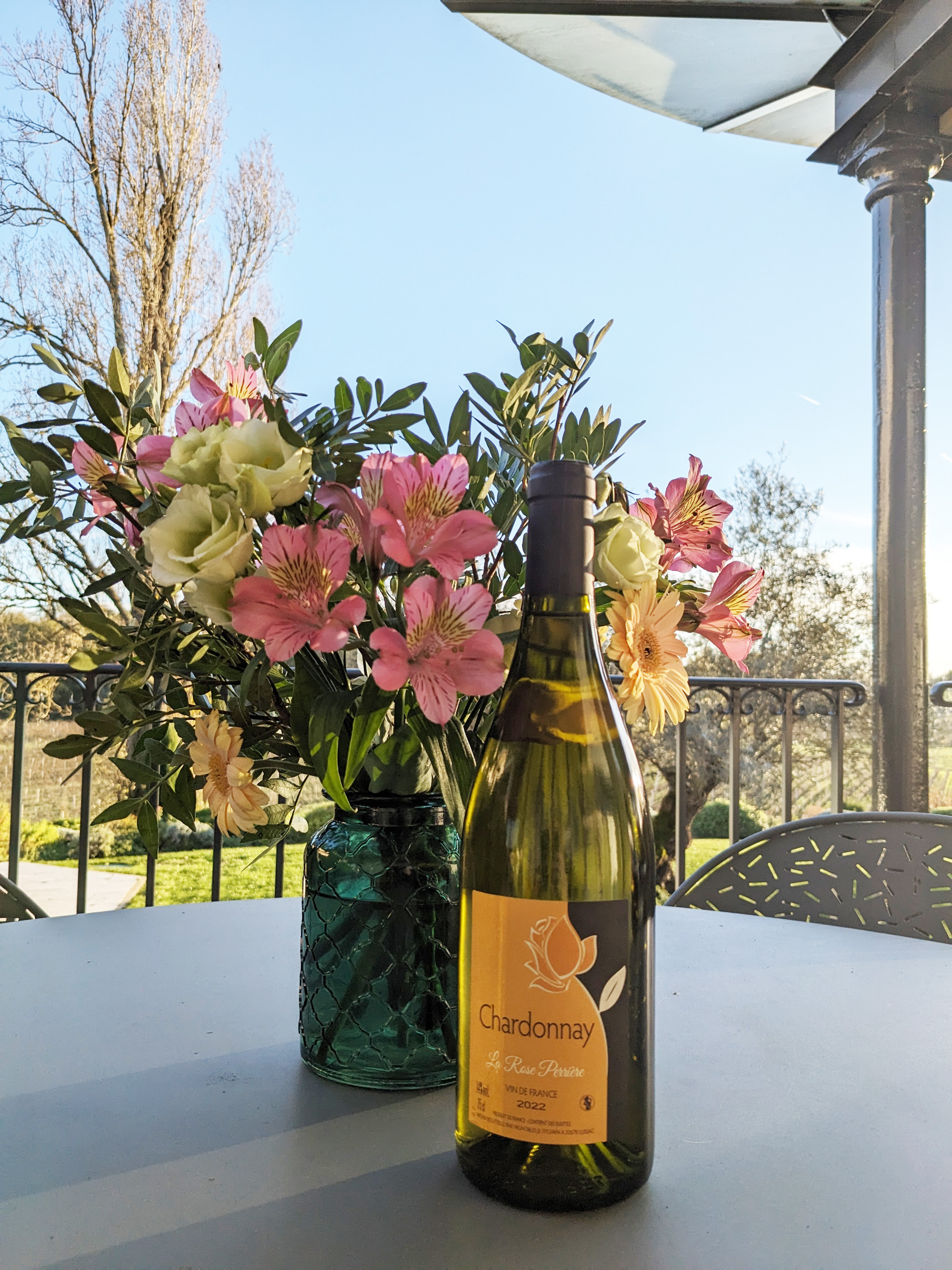
At the heart of the La Rose Perrière vineyard, Chardonnay has been revealing the Lussac terroir for around ten years. It has found its place on the northern slope of the estate, where since 2015 it has occupied a 0.2-hectare plot on the limestone plateau. This grape variety, atypical of the Saint-Émilion terroir, is very unusual for the Bordeaux vineyards. Our La Rose Perrière Chardonnay has enriched and diversified our range of wines with a varietal wine offering beautiful aromas of citrus, white fruits and hazelnuts.
Food and chardonnay La Rose Perrière pairings
Photos ©Canva
Chardonnay pairs well with a wide range of dishes, but these depend on the style of the wine (lively/mineral, fruity, woody, richer). Our Chardonnay La Rose Perrière is fruity, round and slightly rich. It pairs well with the following dishes:
- Oysters or seafood: the acidity and mineral notes of the wine will cleanse the salt and iodine, refreshing the palate without overpowering the marine flavours.
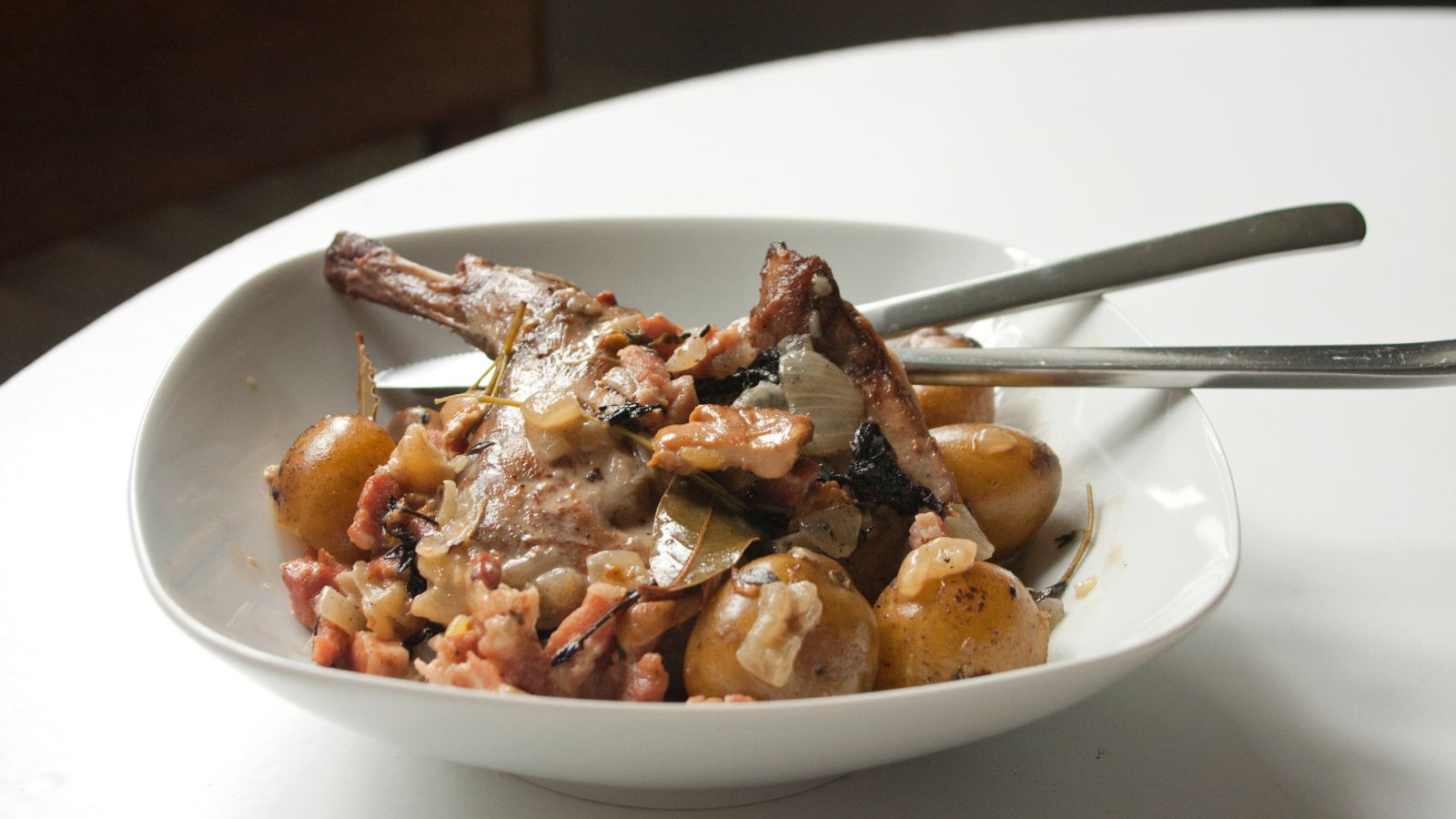
- Roast poultry or rabbit with mustard: the aromas of white fruits complement the tenderness of white meats, while the smoothness of the wine pairs well with mild sauces.
- a parmesan risotto : the fruity roundness supports the creaminess of the rice without weighing it down, while the residual acidity cuts through the richness of the cheese.
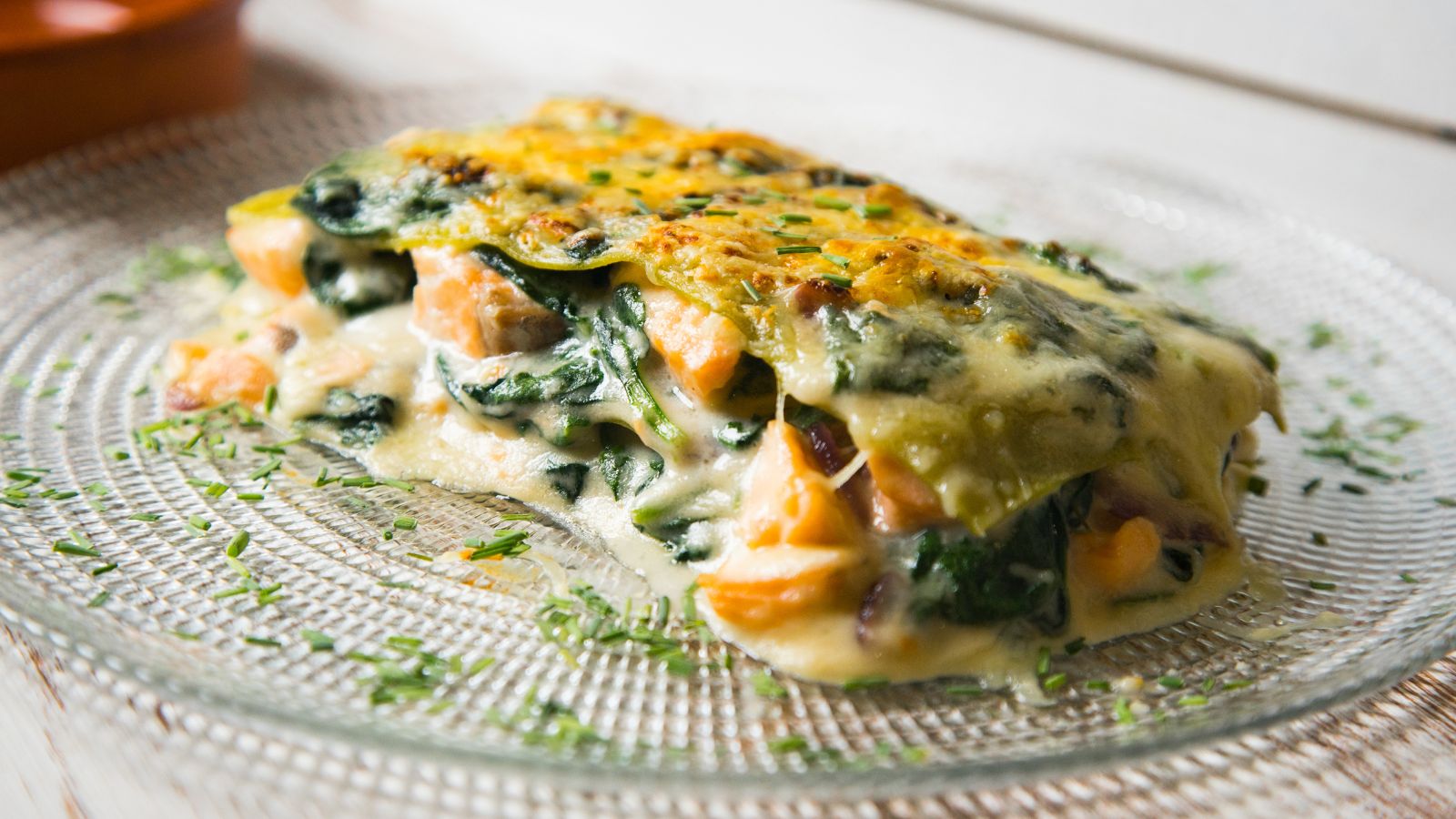
- salmon lasagne : combine the rich tenderness of the fish, creamy béchamel sauce and melted cheese, creating a richness that calls for an acidic wine to ‘clean’ the palate. The natural acidity of Chardonnay effectively cuts through this creaminess without being aggressive, preventing a wine that is too sweet from weighing down the whole dish.
- Veal escalope: its lively acidity balances the tenderness and delicacy of white meat, often prepared in a creamy sauce or breaded. The floral and fruity aromas of Chardonnay, such as peach or apricot, complement the subtle flavours of veal without overpowering it, while its roundness on the palate harmonises with the rich textures of sauces.
Always keep in mind the principles of similarity for rich textures and contrast for dishes (salty/fatty) to maximise harmony and balance of flavours.
Bon appétit !